Artificial Grass vs Gravel in Las Vegas
Deciding between synthetic turf and decorative rock? Compare the aesthetics, maintenance, thermal load, and long-term costs of grass vs. gravel landscaping.
The Desert Landscaping Dilemma: Green vs. Gray
Faced with strict water restrictions and rising utility bills, Las Vegas homeowners are replacing natural turf in record numbers. The two most popular choices are artificial grass and decorative gravel or rock.
While both options dramatically reduce outdoor water usage and align with Las Vegas Xeriscaping Guidelines, they serve entirely different functional and aesthetic purposes. Selecting the right material—or finding the perfect balance between the two—will determine the comfort, usability, and value of your outdoor living space.
Let's look at a detailed breakdown of how these two popular desert landscaping materials compare across cost, maintenance, heat, and style. If you want to check how turf compares to standard grass, you can read our guide on Synthetic Turf Installation.
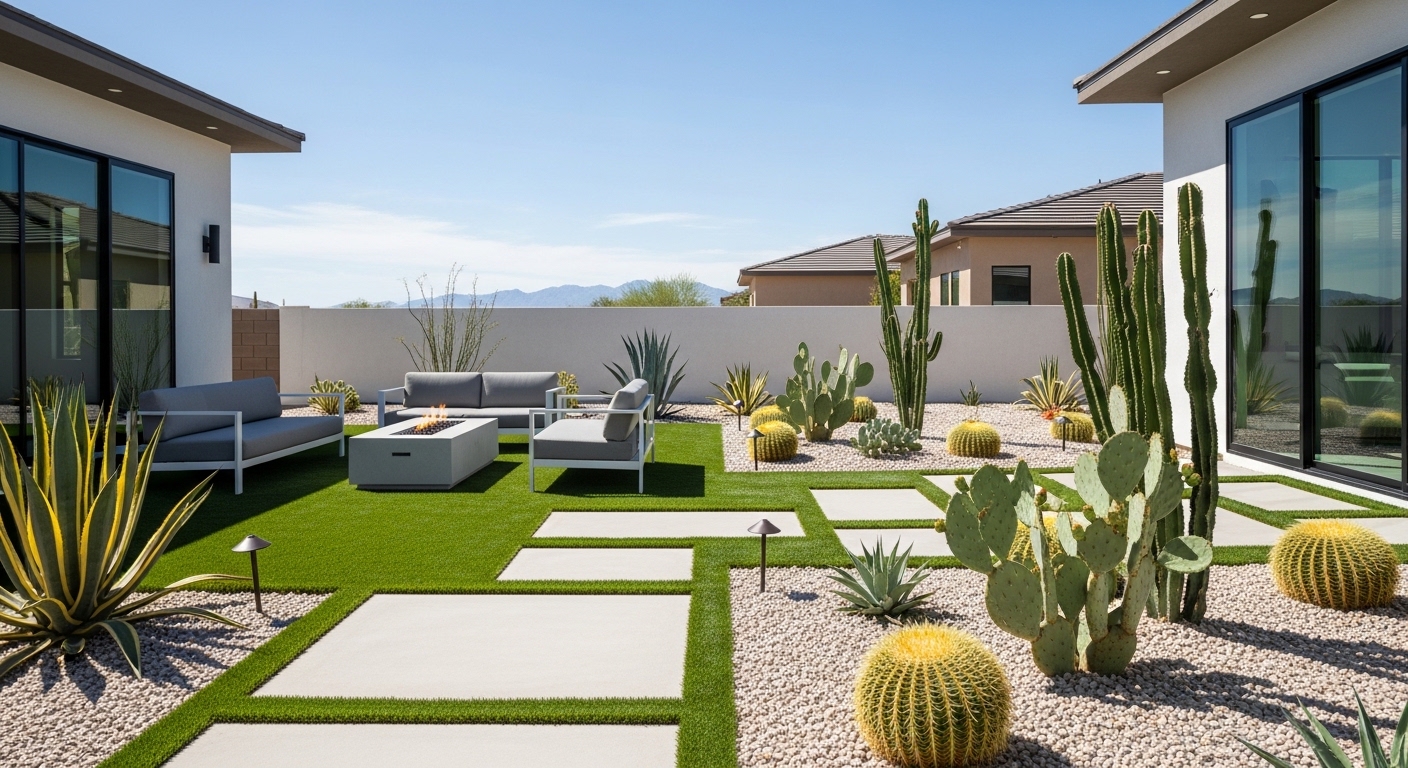
Many homeowners find that a yard entirely covered in gravel feels stark, hot, and uninviting. By incorporating a lush green turf area, you create a visual oasis that softens the landscape and provides a comfortable space for family activities and pet play. This combination is highly functional for families who still want a green lawn to enjoy.
Direct Comparison Matrix
Understand the core differences to choose the best option for your home.
| Feature | Premium Artificial Grass | Decorative Gravel / Rock |
|---|---|---|
| Initial Cost | Higher upfront investment ( - /sq ft) | Lower upfront cost ( - /sq ft) |
| Water Rebate | Eligible for /sq ft SNWA rebate | Eligible for /sq ft SNWA rebate |
| Maintenance | Minimal (occasional brushing & rinsing) | Medium (regular weeding, leaf clearing) |
| Heat Profile | Warm in sun, cools down efficiently with water | Retains and radiates heat all evening |
| Pet Usability | Excellent (soft surface, clean drainage) | Poor (rough on paws, retains urine smells) |
| Lifespan | 15 to 20 years | Indefinite (requires top-dressing) |
Aesthetic & Practical Considerations
While gravel is a practical choice for borders and utility areas, a yard entirely covered in stone can feel stark, barren, and uncomfortable. Artificial grass brings back the vibrant green color and inviting texture of a traditional yard, without the associated water bills or lawnmower noise.
- Curb Appeal: Green turf increases property value and softens modern architectural lines.
- Usability: Soft turf provides a safe space for children to play and pets to lounge.
- Weed Control: Unlike gravel beds where weeds grow between rocks, professional turf features a heavy weed barrier.
- Dust Mitigation: Gravel generates dust when walked on, while artificial turf traps and rinses away airborne particles.
Combining the two allows you to enjoy the best of both worlds. Explore our design ideas at our Backyard Remodeling Guide and discover how to blend green turf with decorative stone borders. If you are considering adding stone walkways or patios, visit our Paver Installation Guide.
Water Conservation & Rebate Guidelines
Both decorative rock and synthetic turf qualify for the Southern Nevada Water Authority's rebate program.
To qualify for the rebate, the SNWA requires that converted lawn areas be covered with drought-tolerant desert plants. When installing artificial grass, the turf counts as a non-living groundcover, and you must plant desert trees, shrubs, or groundcovers surrounding it to meet the canopy coverage standard. We will help calculate the exact plant coverage needed to ensure your design is approved.
Our team specializes in designing smart, rebate-compliant layouts that maximize your financial return while giving you a functional green yard. Check out the rebate criteria at our SNWA Rebate Information Page. To explore the turf options available for your home, check our main Artificial Lawns in Las Vegas guide.
Managing Dust and Heat Radiation
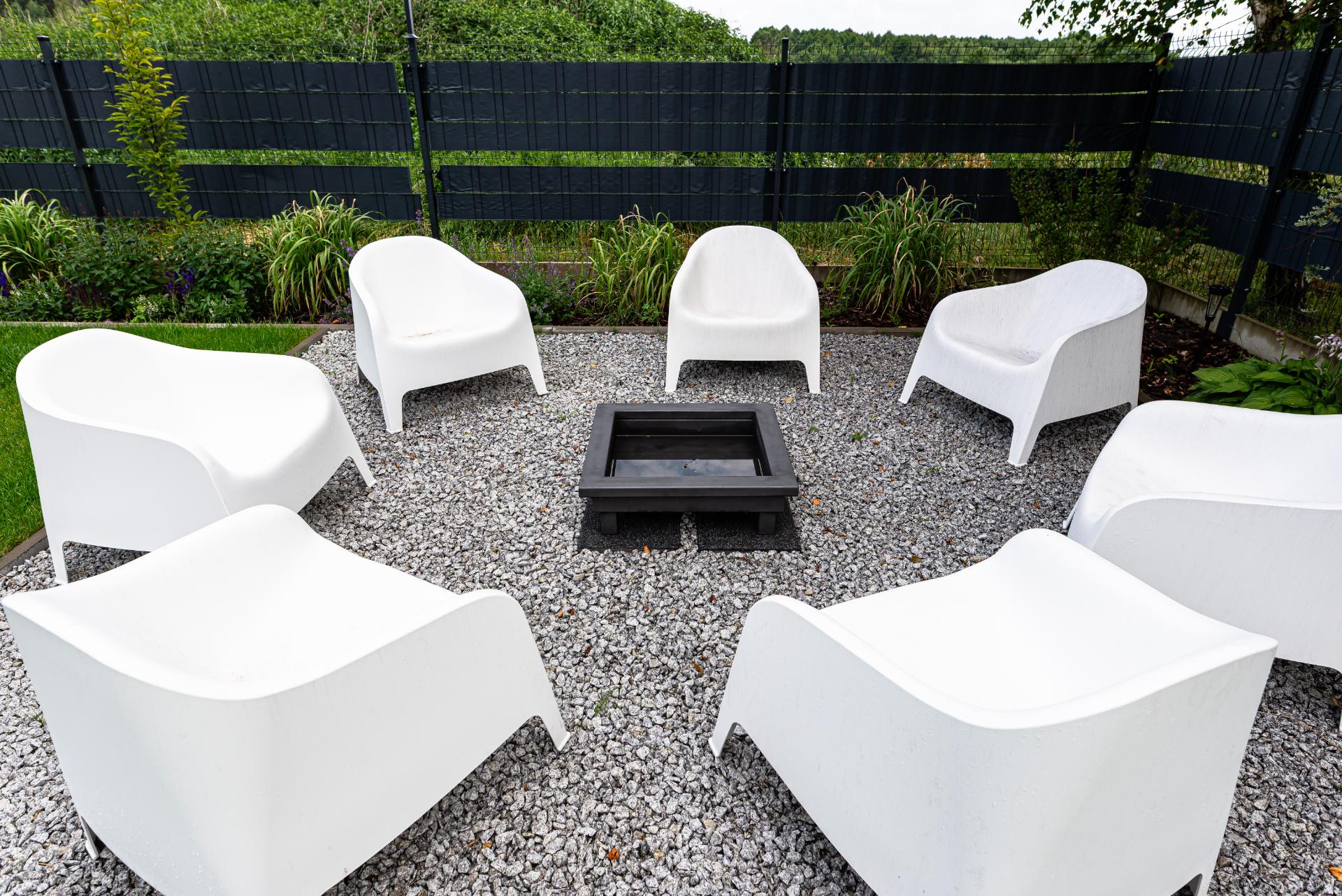
One of the major downsides of rock landscaping in Las Vegas is that rock behaves like a heat sink. It absorbs solar heat during the day and radiates it back into the atmosphere at night, keeping your yard and house warmer. Synthetic turf handles heat differently, warming up in the sun but cooling down professionally with water. This keeps the surrounding microclimate much cooler during hot summer evenings.
Dust also settles in rock beds, creating soil layers that support weeds. Turf holds dust on its surface where it can be easily blown off or rinsed down into the base rock. If you are interested in a complete low-water redesign, check out our guide on Xeriscaping in Las Vegas. Our hybrid layouts minimize maintenance while maximizing usable space.
Best Use Cases for Each Material
Design your yard with purpose by matching the right material to the right area.
Use Artificial Turf For:
Pet runs, backyard play zones, pool coping borders, custom golf putting greens, and high-visibility front yards where you want a premium, lush green appearance year-round.
Use Gravel For:
Side yards, utility zones, areas surrounding air conditioning units, wide perimeter borders, and around deep-rooted desert trees where water lines are run.
The Hybrid Approach:
Design a central green turf lawn surrounded by decorative river rock, flagstone walkways, desert pavers, and native plantings. This saves water, cuts costs, and looks spectacular.
Ready to plan your new yard design? Learn more about our core residential turf installations at Residential Artificial Grass. We provide free consultations to help you plan the perfect layout.
Complete Guide to Desert Turf Care, Maintenance, & Landscaping Comparisons
Selecting the right desert landscaping materials is a key decision. Combining rock with turf offers the perfect balance of green and gravel.
Turf vs. Gravel Comparison
Gravel is a cost-effective groundcover, but it behaves like a heat sink, absorbing heat during the day and radiating it at night, raising the temperature around your home. Gravel is also prone to weed growth and windblown debris, requiring regular herbicide spraying. Artificial grass provides a soft, cushioned surface that handles heat differently, warming in the sun but cooling down professionally with a efficient water rinse. Turf also blocks weed growth with heavy geotextile underlayment, making it much easier to clean with a leaf blower or hose.
Brushing, Rinsing, & Debris Care
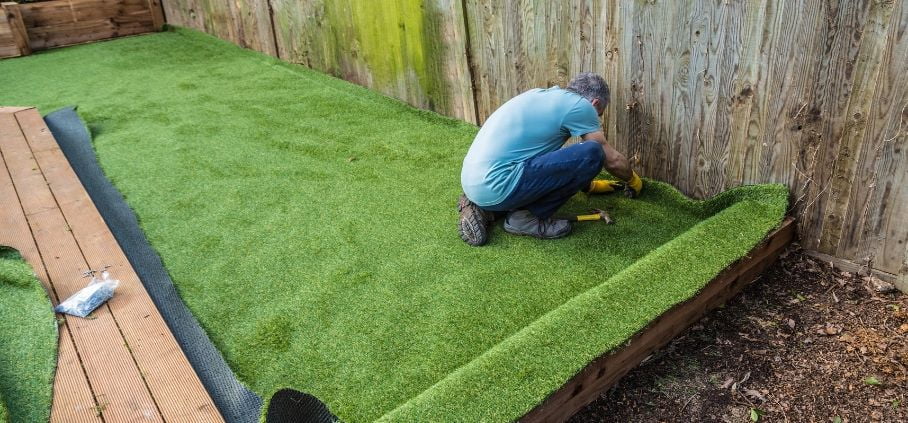
To keep your synthetic lawn looking its best in the desert climate, follow a basic care routine. Remove leaves, twigs, and debris using a leaf blower or plastic rake to prevent organic decomposition. Weekly rinsing with a garden hose washes away the fine Mojave Desert dust that settles on the fibers, keeping colors bright. Over time, high-traffic areas can experience fiber compaction. Brushing the lawn against the grain using a nylon broom or synthetic turf rake pulls the fibers back upright and redistributes the infill sand evenly.
Pet Turf Sanitation & Odors
For pet owners, managing urine odors is the most critical part of turf care. Urine drains through the perforated backing, but the urea and ammonia can bind to the infill sand, creating unpleasant odors under the hot sun. Applying a biological enzyme cleaner weekly is the only way to digest these salts and eliminate the smell permanently. Avoid bleach or harsh chemicals that can break down the turf backing. Ensuring your installation uses antimicrobial infills like Zeolite also helps trap and neutralize odor-causing ions from the start.
Advanced Seasonal Maintenance & Longevity
Each season in the Mojave Desert brings specific care needs for your synthetic lawn. In spring, high-wind storms blow fine dust and organic debris onto the lawn, requiring thorough leaf blowing and deep rinsing to prevent base compaction. In summer, direct sunlight heats the turf fibers, which can be easily cooled with a efficient water rinse. In autumn, clearing falling leaves prevents soil build-up, and in winter, frost should melt naturally to avoid breaking frozen fibers. Following this simple routine ensures your lawn remains beautiful for its entire 15 to 20-year lifespan.
Frequently Asked Questions
Both materials absorb heat, but they perform differently. Artificial grass can feel hotter to touch under direct sunlight because of its polyethylene fibers, but it cools down professionally with a efficient splash of water. Gravel and decorative rocks absorb heat throughout the day and act as a thermal mass, radiating heat back into the surrounding environment long after the sun goes down, raising the ambient temperature around your house.
Not necessarily. While gravel doesn't require brushing, it is prone to weed growth, leaf litter accumulation, and scattering. Weeds germinate easily in the dust between rocks, requiring frequent chemical herbicide spraying or manual weeding. Artificial grass keeps weeds locked out with heavy geotextile underlayment and is much easier to clean with a leaf blower or hose.
Absolutely! Combining the two creates a highly functional, visually stunning, and water-efficient desert landscape. Using artificial turf for recreational and pet zones while bordering it with decorative gravel, river rock, and drought-tolerant desert plantings is the gold standard of modern Las Vegas xeriscaping.
Yes. The Southern Nevada Water Authority (SNWA) encourages the removal of thirsty natural grass and allows both synthetic turf and decorative rocks/gravel as replacements, provided that you meet their canopy cover guidelines. The rebate currently pays per square foot for converted turf areas, which helps offset installation costs.
Premium artificial grass lasts between 15 to 20 years with proper care. Gravel lasts indefinitely, but it tends to sink into the soil, scatter, and become thin over time, requiring replenishment or 'top-dressing' every 3 to 5 years to maintain its clean, uniform look and prevent the soil below from showing.
Synthetic turf is significantly safer and more comfortable for pets. Gravel can contain sharp edges that cut paws, gets extremely hot to walk on, and cannot drain urine cleanly, leading to bacterial build-up. Special pet turf features cooling technology, soft fibers, and antimicrobial infills designed specifically for dogs.
Upgrade Your Landscape in Las Vegas NV
Contact Las Vegas Artificial Grass today to discuss your residential or commercial turf design, request turf samples, or setup your SNWA rebate conversion plan.