Enhance Your Landscape with Expert Plants Installation
Looking to add beauty and vibrancy to your outdoor space in Las Vegas? Las Vegas Artificial Grass offers a variety of plants, trees, and shrubs that are perfect for the local climate. Whether you want to create a lush garden, a colorful flower bed, or a strategic privacy screen, our expert team will help you choose and install the perfect plants for your property.
To further elevate your outdoor design, explore our range of professional landscaping services. From garden bed installation and plant design and backyard turf design to custom outdoor lighting, we provide complete solutions to enhance your landscape’s beauty, functionality, and curb appeal.
OUR SERVICES
From artificial grass to complete outdoor transformations — we deliver premium results every time.
Turning Outdoor Dreams into Reality
Call Us Today
Why Choose Plants Installation for Your Property?
- Aesthetic Appeal: Plants bring life, color, and texture to your outdoor space. A well-planted garden or border can completely transform the look and feel of your landscape.
- Privacy and Screening: Plants, especially trees and shrubs, can provide natural privacy screens, blocking unwanted views and adding a sense of tranquility to your yard.
- Improved Air Quality: Plants help improve air quality by absorbing carbon dioxide and releasing oxygen, making your outdoor environment healthier and more enjoyable.
- Eco-Friendly: Installing plants helps promote biodiversity and supports local ecosystems. They also contribute to water conservation when strategically chosen for drought-resistant landscaping.
- Increased Property Value: Well-maintained plants and trees can increase the curb appeal and overall value of your property, creating a welcoming environment for potential buyers.
Our Plants Installation Process
At Las Vegas Artificial Grass, we make sure your plant installation project is tailored to your space, needs, and vision. Here’s our step-by-step process:
Step 1: Consultation and Design Planning
We start by discussing your vision, preferences, and specific needs. Our team will help you choose the best plants for your property based on your desired aesthetic, soil conditions, and the Las Vegas climate.
Step 2: Site Preparation
We prepare the planting area by removing any debris, weeds, or existing plants. If needed, we amend the soil to ensure optimal conditions for your new plants to thrive.
Step 3: Plant Installation
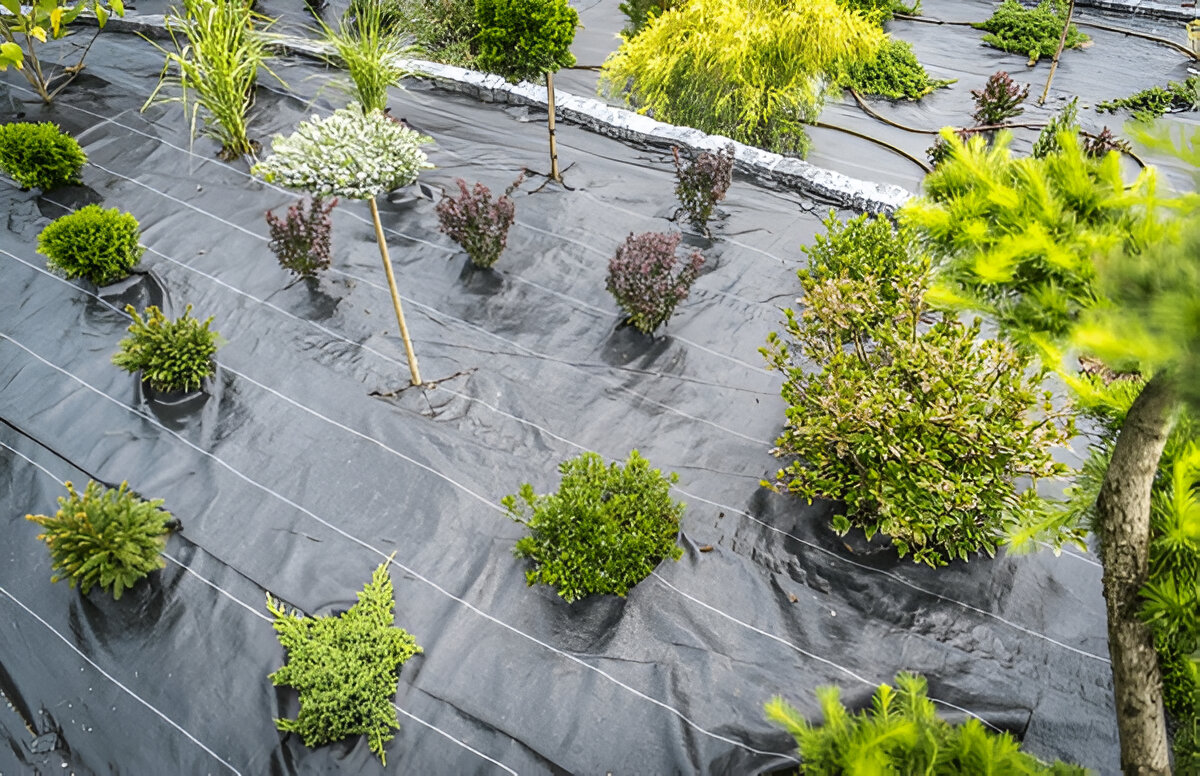
Our expert team will carefully install your plants, ensuring proper spacing, depth, and alignment. We make sure each plant is placed to maximize its growth potential and overall aesthetic impact.
Step 4: Irrigation System Setup
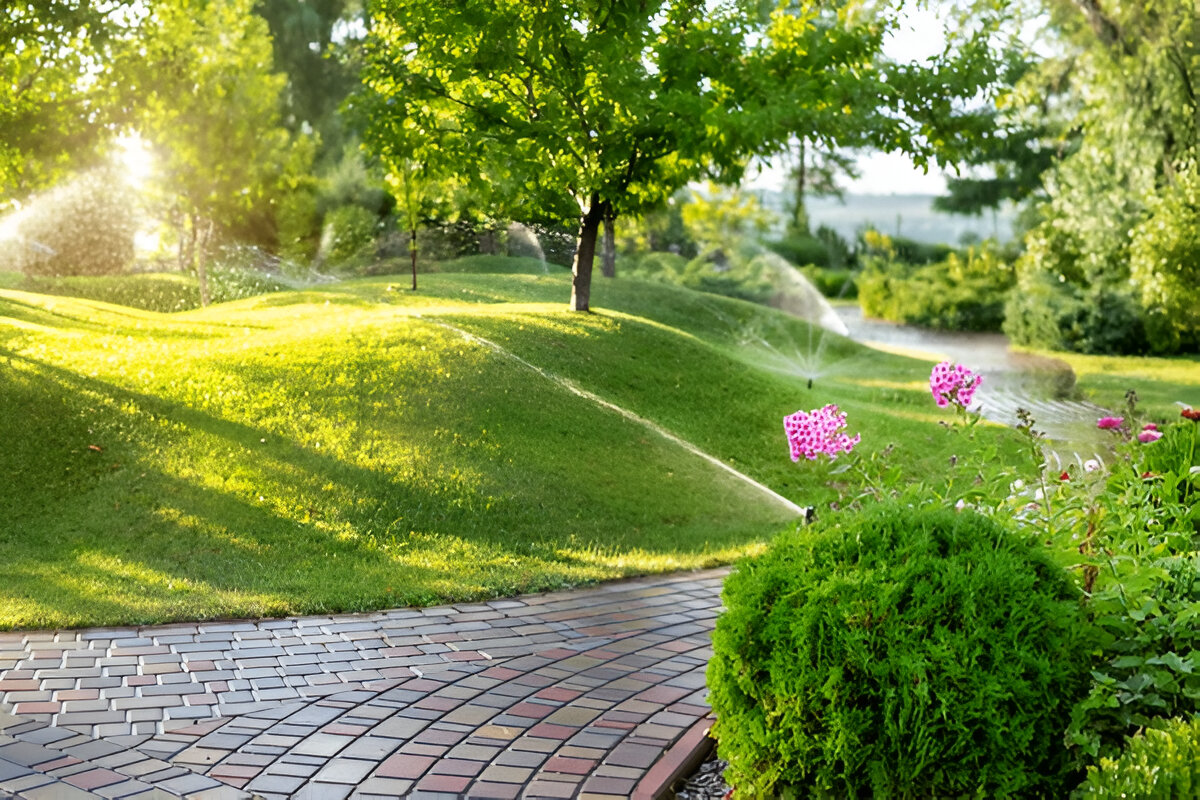
If needed, we can also set up an efficient irrigation system to ensure your plants receive the right amount of water. This helps reduce water waste and ensures your plants are properly nourished.
Step 5: Final Inspection and Care Tips
Once installation is complete, we conduct a thorough inspection to ensure everything is in place. We’ll also provide you with helpful care instructions to keep your plants healthy and thriving.
Why Choose Las Vegas Artificial Grass for Plants Installation?
Experienced Installers
Our team has extensive knowledge of local plants and trees that thrive in the Las Vegas climate, ensuring the best possible outcomes for your landscape.
Wide Variety of Plants
From colorful flowers to drought-tolerant shrubs and trees, we offer a wide range of plant options to suit your style and needs.
Competitive Pricing
We offer competitive pricing for our plant installation services, ensuring you get the best value for your investment.
Sustainable Landscaping
We focus on sustainable practices, including water-efficient irrigation systems and the selection of plants that are suited to the local environment, saving you money and water in the long run.
Plants Installation in Las Vegas, NV
A Las Vegas landscape without plants is functional at best. The right plants — placed correctly, spaced for how they grow, and supported by an irrigation system sized for their actual water needs — are what give an outdoor space texture, depth, color, and the kind of visual interest that hardscape and turf alone cannot provide. A specimen palm framing a driveway entry, a row of desert willows along a fence line, agave clustered against a boulder feature, lantana spilling over a garden bed edge in bloom — these elements are what make a property feel designed rather than just installed.
Choosing plants for Las Vegas is different from choosing plants elsewhere. The Mojave Desert climate — USDA hardiness zones 9b to 10a across most of the valley — sets real limits on what survives here without intensive intervention. Summer heat pushes well above 110 degrees regularly. Soils are typically alkaline and caliche-heavy, with poor organic content and limited drainage in undisturbed ground. Evapotranspiration rates are among the highest in the country. Plants that would thrive in Phoenix, San Diego, or Tucson do not always translate here without adjustment, and plants chosen without regard for these conditions often fail within a season or two of installation.
At Las Vegas Artificial Grass, we select and install plants as part of complete outdoor landscape projects. Our plant work is typically coordinated with garden bed installation and design, irrigation system installation, artificial grass, and paver work — all elements planned together so species placement, bed design, and irrigation zoning work as a unified system from day one.
Planting for the Las Vegas Climate
Understanding what the Las Vegas climate actually imposes on plants is the starting point for any installation that will hold up long-term. Most plant failures in Las Vegas are not random — they trace back to species selection that did not account for one or more of the specific conditions the desert valley presents.
Heat and Sun Exposure
Las Vegas summers routinely exceed 110 degrees Fahrenheit, and south and west-facing walls and surfaces reflect additional radiant heat onto anything planted nearby. Plants installed along a south-facing block wall or in a west-facing bed that catches full afternoon sun are exposed to conditions significantly more extreme than the air temperature alone suggests. Species selection for these exposures needs to account for reflected heat, not just ambient temperature. Desert-adapted species like Texas sage, red yucca, desert marigold, and bougainvillea handle full desert sun exposure reliably. Less adapted species placed in the same positions show leaf scorch, wilting, and decline within a season even with adequate irrigation.
Soil Conditions
Las Vegas valley soils are typically alkaline — pH levels of 7.5 to 8.5 are common — and often contain caliche layers that restrict drainage and root penetration. Caliche is a calcium carbonate hardpan layer that can sit anywhere from a few inches to several feet below the surface. Plants installed without breaking through the caliche layer or improving the planting pocket will have restricted root systems, poor drainage, and limited water penetration. We assess soil conditions during site evaluation and address caliche and soil structure issues as part of the planting preparation. For beds where soil quality is significantly compromised, garden bed installation with amended soil provides the growing environment that native desert soil cannot.
Water Efficiency and SNWA Compliance
The Southern Nevada Water Authority actively promotes the use of drought-tolerant and low-water-use plants as part of its Water Smart Landscapes program. Many properties in Las Vegas are also still subject to restrictions on turf and high-water-use plantings in certain zones. We select species that meet SNWA water use guidelines where applicable and design irrigation zones so each plant receives the volume and frequency appropriate to its actual water needs — not a one-size-fits-all schedule that over- or under-waters different species sharing the same zone. Efficient plant-level irrigation is what keeps established plants healthy without running excess water through the system.
Establishment Period
Even drought-tolerant and desert-adapted plants need supplemental irrigation during their first growing season — sometimes two — while root systems establish in the native soil. A plant that will eventually survive on very little water may need regular watering through its first Las Vegas summer to survive the establishment period. We provide irrigation scheduling guidance appropriate to the species installed and the time of year, and flag which plants will need closer attention through their first season before they become fully self-sufficient under the installed drip system.
Plant Categories We Install
Every Las Vegas landscape benefits from a layered planting approach — specimen trees for height and structure, shrubs and mid-size plants for mass and color, groundcovers and low border plants to tie beds together, and accent plants for architectural detail. We work across all of these categories with species selected for Las Vegas conditions.
Specimen Trees and Palms
Mexican fan palms, Canary Island date palms, desert willow, palo verde, and African sumac are among the most commonly installed trees for Las Vegas properties. Selected for scale, sun tolerance, and how they frame architecture or anchor a design.
Desert-Adapted Shrubs
Texas sage (Leucophyllum), ruellia, lantana, red bird of paradise, Apache plume, and desert cassia provide seasonal color, heat tolerance, and low water requirements after establishment. Used for mass planting, borders, and privacy screening.
Succulents and Agaves
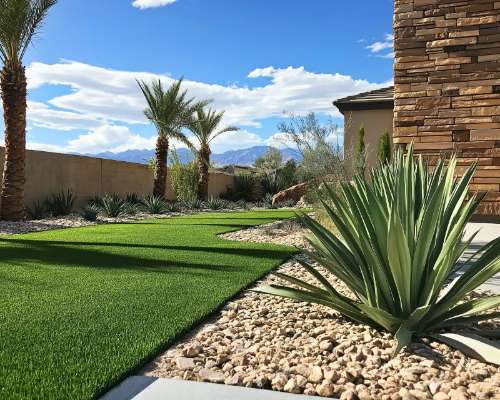
Agave americana, agave blue glow, desert spoon, aloe vera, and various cactus species provide bold architectural form and require minimal irrigation once established. Particularly effective alongside boulders, hardscape edges, and turf borders.
Flowering Perennials and Color Plants
Bougainvillea, yellow bells, autumn sage, Mexican evening primrose, desert marigold, and globe mallow provide seasonal bloom color. Placed in beds where color is visible from indoor living spaces, entry approaches, and patio seating areas.
Groundcovers and Low Border Plants
Trailing lantana, verbena, myoporum, and low-growing ice plant cover bed surfaces, suppress weeds, and provide visual continuity between taller plantings. Used along paver edges, at turf borders, and as foreground layers in tiered garden beds.
Privacy Screens and Hedging
Italian cypress, Texas privet, Carolina cherry laurel, and clumping bamboo (in contained planters) provide reliable-growing height and density for privacy screening along fence lines and property boundaries. Selected for growth rate, water use, and root behavior.
Recommended Plants by Application
Plant selection is determined by where a plant is going, not just what looks appealing in a nursery. Sun exposure, proximity to structures, visibility from the street or patio, soil conditions, and water zone groupings all affect which species are appropriate for a given position. The table below outlines commonly recommended species by application context.
| Application | Recommended Species | Water Use | Notes |
|---|---|---|---|
| Entry and Driveway Focal Point | Mexican fan palm, Canary Island date palm, palo verde | Low–moderate after establishment | Scale to property; allow for mature height at power lines and structures |
| Privacy Screening Along Fence Lines | Italian cypress, Texas privet, ruellia hedge | Low–moderate | Confirm root behavior before planting near underground irrigation or paving |
| Garden Bed Border and Color | Lantana, Texas sage, autumn sage, bougainvillea | Low after establishment | Bloom cycles vary; mix species for multi-season color |
| Turf and Hardscape Edge Accent | Agave, desert spoon, red yucca, aloe | Very low | Place away from high-traffic paths; leaf tips can be sharp |
| Groundcover and Weed Suppression | Trailing lantana, verbena, myoporum, desert marigold | Low | Apply mulch over bare soil between plants until canopy coverage establishes |
| Pool Surround and Patio Perimeter | Desert willow, yellow bells, bougainvillea, bird of paradise | Low–moderate | Avoid species with heavy leaf or seed drop over pool surface |
| Boulder and Rock Feature Accent | Agave, prickly pear, claret cup cactus, desert spoon | Very low | Scale plant size to boulder mass; allow spacing for mature spread |
| Shaded Areas Under Pergolas | Shade-tolerant ruellia, heavenly bamboo, fern palm | Moderate | Shade shifts the species palette significantly; avoid full-sun desert species in covered areas |
Plants Installation Process
A plant installation is more than placing plants in holes. Soil preparation, proper planting depth, spacing for mature size, irrigation placement, and mulch application all affect how well the planting establishes and how it looks both on installation day and years later as plants mature.
Site Evaluation and Species Selection
We visit the property and assess sun exposure at each planting area through the day, existing soil conditions, irrigation infrastructure, sight lines from the house and street, and how the planting will relate to adjacent elements — turf, pavers, hardscape, shade structures. Species are selected for each specific position based on those conditions, not from a generic plant list applied uniformly across the property.
Planting Plan and Client Review
We produce a planting plan showing species placement, spacing at both installation size and mature size, and how the planting relates to bed edges, turf borders, and hardscape. The plan is reviewed with the client before any plant is purchased or installed, including discussion of color, texture, and seasonal interest so the finished result matches expectations. Substitutions from the original plan are only made with client approval.
Soil Preparation and Bed Readiness
Planting areas are cleared of weeds, existing vegetation, and debris. Caliche layers are broken or penetrated at each planting hole to allow drainage and root extension. Soil is amended where organic content and structure require improvement — particularly in new construction sites where native soil has been disturbed and compacted. For projects involving garden bed installation, bed borders are set and amended soil is brought in before planting begins.
Plant Placement and Installation
Plants are positioned at the correct depth — not too deep, which leads to crown rot, and not too high, which leaves roots exposed and dries out too efficiently. Spacing accounts for mature canopy size, not installation size. The temptation to install plants close together for professional coverage is weighed against what the planting will look like in three to five years when those plants fill out. Focal specimens and structural plants are placed first; border and groundcover species are installed around them.
Irrigation Integration
Drip emitters or bubblers are placed at each plant based on its water requirement and root spread. Plants with different water needs are separated into different irrigation zones so each species receives the schedule appropriate for it. For properties with existing irrigation systems, we integrate new plant zones into the existing controller or specify an expansion if the controller does not have capacity. For new installations, irrigation and planting are coordinated as a single scope of work from the start.
Mulch Application and Finishing
Decomposed granite, decorative rock, or organic mulch is applied over planting beds to a depth that retains soil moisture, moderates soil temperature, and suppresses weed germination between plants. Mulch type is selected to match the surrounding hardscape and gravel palette of the property. Bed edges are cleaned and defined before the project is considered complete.
Irrigation Startup and Care Handoff
Irrigation is tested zone by zone and run times are programmed for the establishment period schedule — typically more frequent watering for the first 30 to 90 days until plants have acclimated to their new location. We walk through care expectations with the client, covering what to watch for during establishment, how water schedules should shift through the first year, and when different species can be expected to reduce their irrigation dependency.
How Plant Installation Fits Into a Complete Landscape
Plants work best when they are planned alongside the rest of the outdoor environment rather than selected and placed independently of it. How a plant relates to the surface in front of it, the wall behind it, the lighting aimed at it, and the irrigation zone it sits in all affect both how it performs and how it looks as part of the finished space.
-
✓
Garden Bed Installation and Plant Design — When plant installation is part of a new garden bed, bed borders, soil amendment, and drainage are handled as a unified scope before any plant goes in the ground. The bed design determines the shape, depth, and soil composition that each species will grow in. For properties where existing soil conditions are poor — common in Las Vegas — a purpose-built bed provides the growing environment that makes plant installation succeed long-term.
-
✓
Irrigation System Installation — Every plant installation requires a water plan. Drip irrigation zoned by species water requirement is what keeps a mixed planting healthy without wasting water on plants that need less than the zone delivers. For properties without existing irrigation, we install drip systems alongside the planting. For properties with existing systems, we add zones, extend laterals, and verify controller capacity as part of the plant installation scope.
-
✓
Outdoor Lighting — Plants that look good during the day disappear after dark without lighting aimed at them. Uplights at the base of a specimen palm or tree, spread lights along a garden bed edge, and accent spots aimed at architectural succulents or a bougainvillea-covered wall are all part of how planting investments remain visible after sunset. Lighting wire runs placed before plants are installed are cleaner than routing around established root systems later.
-
✓
Artificial Grass — Planted borders framing or adjacent to turf areas define the edge of the turf zone and add visual layering that makes the overall landscape feel more complete. For backyard turf design projects, plant placement along the turf perimeter is coordinated with the turf edge treatment so the transition between grass and planted area is clean and intentional rather than improvised.
-
✓
Pavers and Hardscape — Planted areas between, alongside, or around paver installations soften the visual weight of hardscape and add color and texture that stone and concrete do not provide. For hardscape projects, planting pockets, raised planters, and bed areas adjacent to paved surfaces are planned at the design stage so drainage, edge conditions, and irrigation access are all handled correctly before paving is set.
-
✓
Patio Covers and Pergolas — Plants at the perimeter of a shade structure — foundation shrubs at the base of posts, climbing plants trained onto a pergola frame, specimen trees flanking a covered patio — connect the structure to the surrounding landscape and give it a sense of being embedded in the outdoor space rather than sitting on top of it. Species selection for these positions accounts for the microclimate the structure creates, including reduced sun and reflected heat from the roof surface.
-
✓
Artificial Green Walls — In situations where a green wall occupies a fence or perimeter wall and ground-level planted beds are adjacent to it, coordinating the species at the base of the green wall with the foliage tone and texture of the panels produces a more cohesive visual result than treating the two elements independently. For outdoor design projects that include both, plant selection near green wall panels accounts for how both will look together as a layered landscape composition.
Service Areas
We install plants and coordinate full planting plans for residential and commercial properties throughout the Las Vegas Valley. All projects include a free site consultation and planting plan review before any work begins.
Frequently Asked Questions — Plants Installation
Plants that perform consistently well in Las Vegas are those adapted to the Mojave Desert and similarly hot, arid climates. These include desert-adapted shrubs like Texas sage, red bird of paradise, and ruellia; succulents and agaves; drought-tolerant flowering plants like lantana, desert marigold, and autumn sage; palms and desert trees like palo verde and desert willow; and groundcovers like trailing verbena and myoporum. Non-desert species can be used in the right locations — shaded beds, eastern exposures, poolside areas with more ambient moisture — but require more precise irrigation management and are more vulnerable to heat stress during Las Vegas summers. Species selection always starts with where the plant is going before considering what looks appealing.
Even drought-tolerant and desert-adapted plants need regular supplemental irrigation during their establishment period — typically the first one to two growing seasons. During a Las Vegas summer, newly planted desert species may need drip irrigation every two to three days to survive until their root systems extend beyond the original planting hole. Once established, many desert-adapted species can sustain on much less — weekly or even bi-weekly irrigation depending on the species and the season. We provide specific watering schedules for each plant type installed and advise on how those schedules should shift as plants establish. Overwatering established desert plants is as damaging as underwatering, so schedule adjustment over time matters as much as the initial setup.
Yes. Soil preparation is part of every plant installation we do. Las Vegas soils often have caliche hardpan layers that restrict drainage and root penetration — we break through or penetrate these layers at each planting hole so roots can establish properly. Where soil organic content and structure are significantly poor (common on new construction sites where soil has been stripped and compacted), we amend planting pockets with appropriate soil conditioners or specify raised beds with imported soil for the planting areas. For projects where full garden bed installation is part of the scope, see our garden bed installation and plant design page.
Yes, and this is usually the preferred approach. When planting, turf installation, and paver work are all part of the same project, the sequencing is planned so each trade works in the correct order — irrigation and planting beds before turf base, pavers before adjacent bed borders, lighting wire runs before plant placement over them. Doing everything together in a coordinated sequence produces cleaner results than phasing elements independently, and avoids the common problem of having to disturb a finished surface to install something that should have gone in first.
Poolside planting requires attention to two concerns that do not apply to general landscape planting: debris drop into the pool, and pool chemical exposure to plant roots and leaves. We avoid species with heavy seed pods, fine needles, or significant leaf drop over the pool surface — these include mesquite, pine, and eucalyptus, which are beautiful but high-maintenance in a pool context. Species like yellow bells, desert willow, and clumping grasses work well near pools because they produce minimal debris. Chlorine and pool water splash along the pool edge create slightly different soil chemistry, which we account for in species placement. For pool surround projects that include both plants and pavers or artificial grass, everything is designed together so plant placement, bed borders, and surface materials all relate correctly.
Yes. We install plants for commercial properties, HOA common areas, retail centers, office campuses, and hospitality venues throughout the Las Vegas Valley. Commercial planting projects follow the same species selection and site assessment process as residential work, scaled to the property’s square footage and coordinated with any other landscape work in scope — turf, hardscape, irrigation, or lighting. For commercial properties managing large planted areas, plant selection focuses on low-maintenance species that hold appearance with minimal intervention between scheduled maintenance visits. See our commercial services overview for more on our commercial landscape capabilities.
Fall and late winter through early spring are the most favorable planting windows in Las Vegas. Installing in September through November allows plants to establish root systems through the mild winter before facing their first summer — significantly improving survival rates compared to spring planting that puts young root systems under summer heat stress almost professionally. February through April also works well for many species. Summer installation is possible for established, container-grown desert-adapted species with proper irrigation and establishment care, but requires more intensive irrigation management during the first growing season and carries higher risk for heat-sensitive species. We advise on timing as part of the planning process and note any species with strong seasonal preferences.
Get a Free Quote for Plant Installation
Our team visits your property, assesses the conditions at each planting area, and provides a complete planting plan and project estimate at no charge. Serving residential and commercial properties throughout the Las Vegas Valley.
OUR GALLERY


OUR SERVICE AREA
We proudly serve homeowners and businesses throughout Las Vegas, including North Las Vegas, Summerlin, and Henderson. Whether you’re looking to upgrade your backyard, install turf for a commercial property, or create a kid-friendly play area, we are ready to help you achieve the perfect outdoor space.
Artificial Grass Installation in Las Vegas
Artificial Grass Installation in Summerlin
Artificial Grass Installation in Henderson
If you’re unsure whether we service your area, don’t hesitate to [contact us] for a free consultation and get started on transforming your lawn!
- Las Vegas
- Henderson
- Boulder City
- Mt. Charleston
Your Dream Outdoor Space is Just a Call Away
Get Your Free Consultation Today!
RAVING REVIEWS
Join the many who’ve transformed their spaces with us
Check out their reviews!
Get Started Today
Ready to transform your outdoor space with artificial grass? Reach out to us today for a free consultation and discover how we can help you create the perfect lawn. Call 702-757-4433 or Request Your Free Quote now.