
HOA Approved Artificial Grass Installation Las Vegas, NV
Navigate design reviews with confidence. Learn how to secure HOA approval for your synthetic lawn project in Summerlin, Southern Highlands, Anthem, and Green Valley.
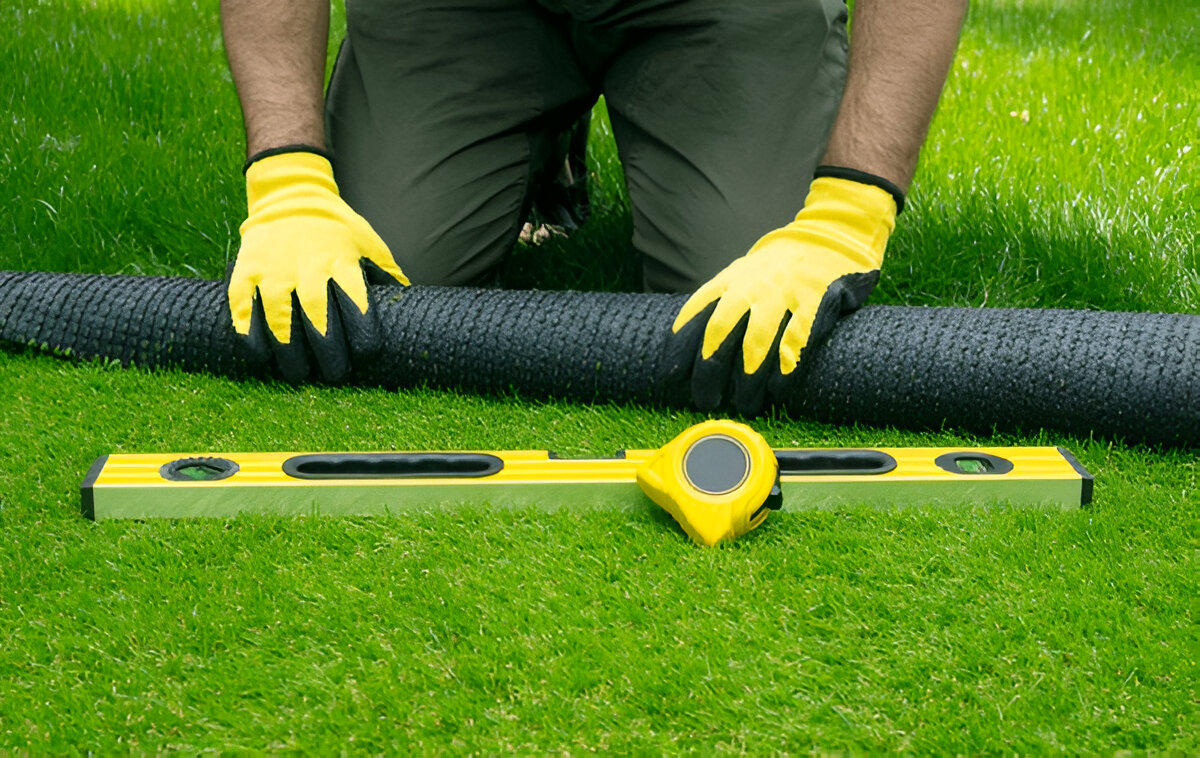
Navigating HOA Guidelines for Desert Landscaping
Las Vegas HOAs are highly protective of community aesthetics. Securing architectural approval is a critical first step before starting any landscaping project.
With water conservation being a top priority in Southern Nevada, both local water authorities and HOAs are encouraging turf replacement projects. Under Nevada law (AB396), HOAs cannot ban synthetic turf, but they have the right to set standards for quality, appearance, and placement.
Working with an experienced installer ensures your design meets all community rules, avoiding delays or costly fines. Let's look at the standards and documentation required to secure HOA approval for your turf installation. If you are converting grass to qualify for the rebate, read our SNWA Water-Smart Rebate Guide.
Most HOAs require that the turf look indistinguishable from real grass. This means you must select a product with a multi-tone green pile and a realistic brown thatch. To learn about turf specifications, check out our main Artificial Lawns in Las Vegas guide.
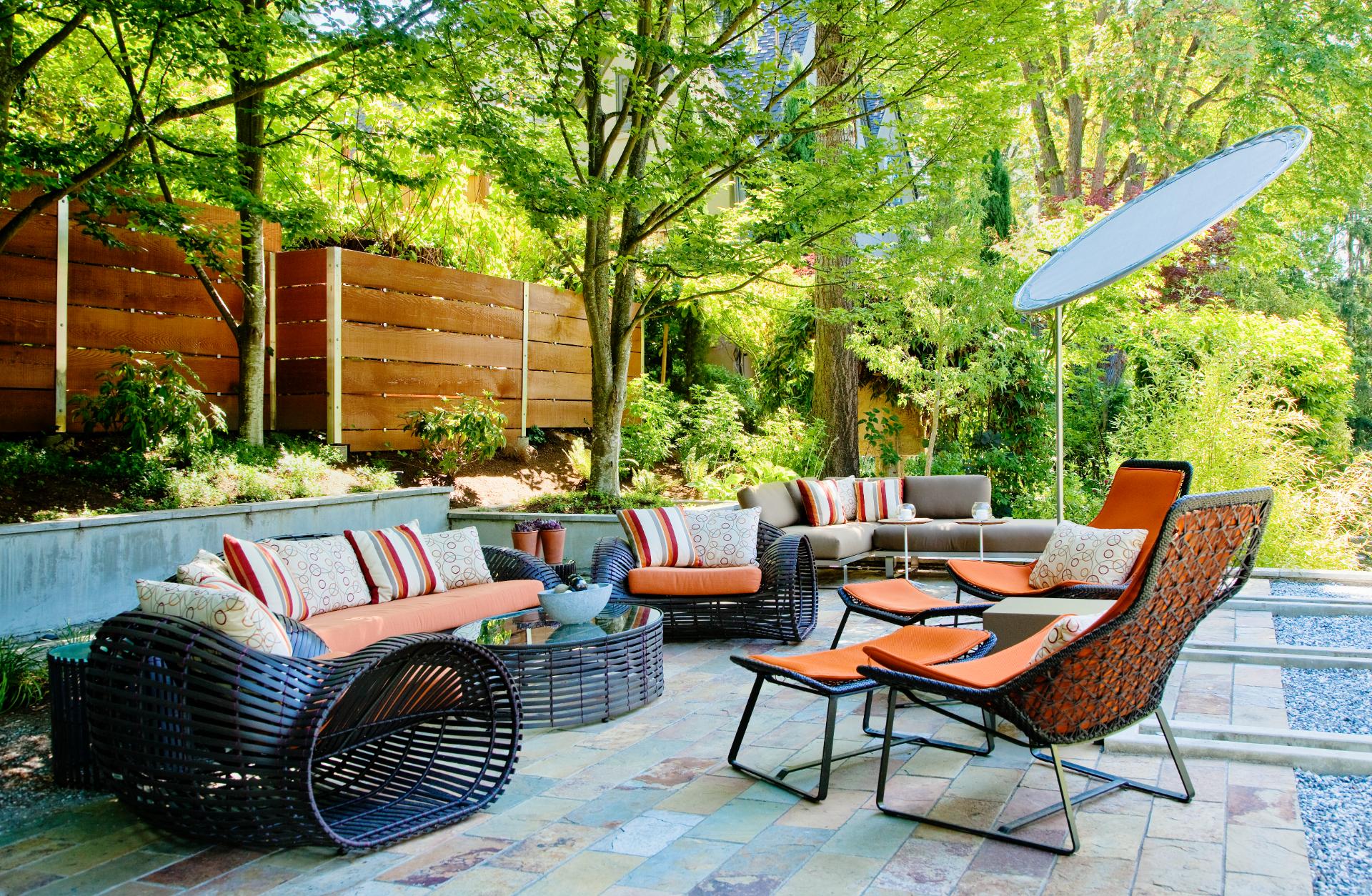
Understanding HOA Quality Guidelines
Most Southern Nevada homeowners associations enforce three main design rules: pile height, face weight, and natural color blends.
1. Pile Height
To avoid a flat, carpet-like look, HOAs typically require a pile height between 1.5 and 1.85 inches. This provides a lush, realistic texture that blends beautifully with surrounding desert plantings.
2. Face Weight
Face weight refers to the ounces of yarn per square yard. High-traffic residential areas require a minimum weight of 70 to 80 ounces, ensuring the turf feels soft and holds up under use.
3. Natural Color Blend
Associations ban bright, solid-green turf. They require a multi-tone blend of field green, olive, and lime, paired with a tan or green thatch layer to replicate natural Las Vegas lawns.
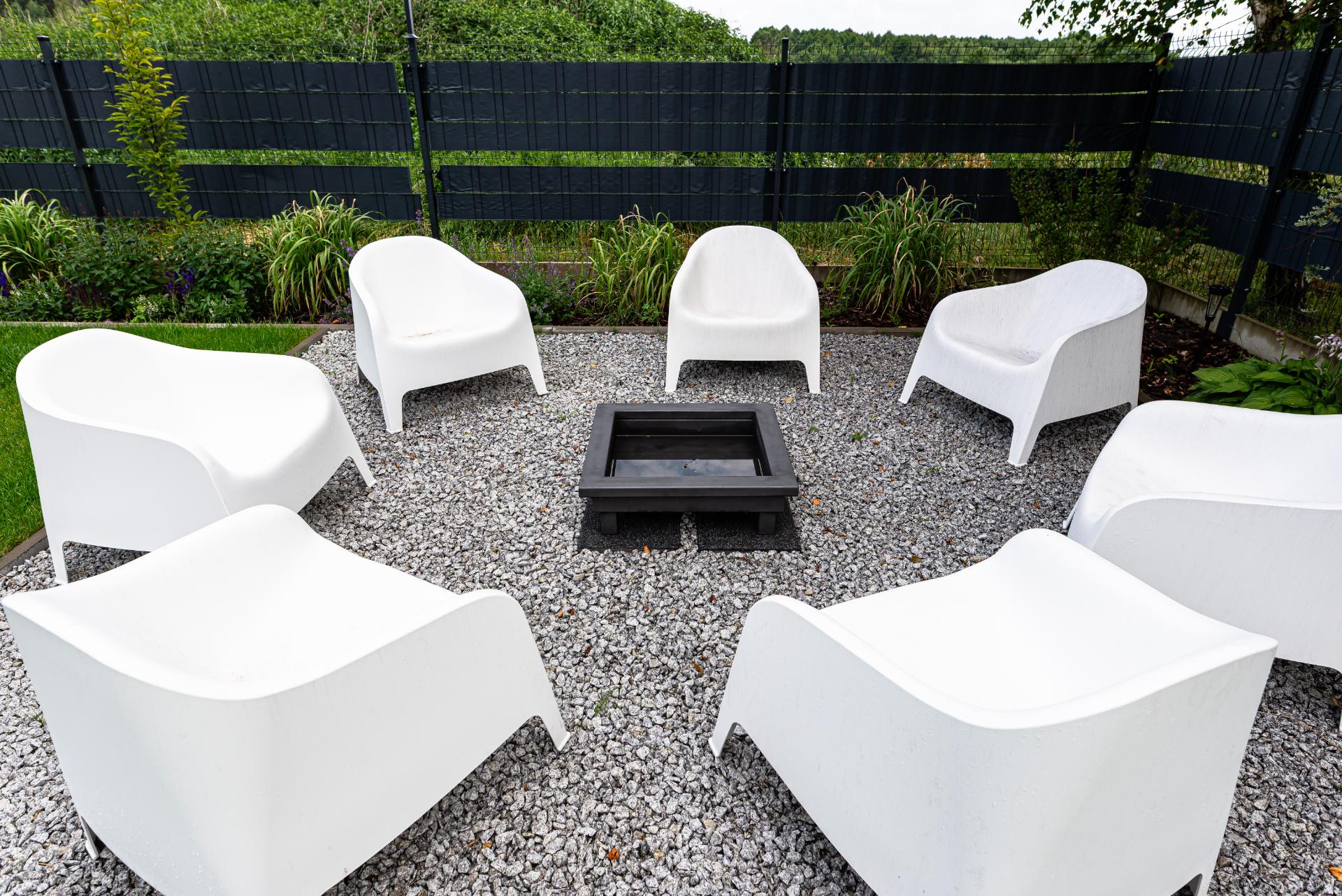
Step-by-Step HOA Submission Process
Filing an architectural request requires detailed documentation. Missing specifications or incomplete plans are the most common reasons for application delays. We prepare a complete submission packet to make the approval process as smooth as possible.
- Application Review: We verify all specific guidelines for your community (e.g., Summerlin, Anthem, or Southern Highlands).
- Site Plan Drawings: We provide detailed layout sketches showing exact turf dimensions, borders, and plant locations.
- Spec Sheets: We supply official manufacturer spec sheets verifying pile height, weight, and drainage rates.
- Physical Samples: We provide turf and infill samples to submit to your architectural review committee.
Our team specializes in designing smart, rebate-compliant layouts that maximize your financial return. We also provide product details for other yard installations; view our guide on Synthetic Turf Products.
Nevada Water Legislation Protections
Nevada law protects your right to choose water-smart landscaping options.
To help combat ongoing drought conditions, Nevada State Assembly Bill AB396 prohibits HOAs from banning synthetic grass or other water-efficient landscaping. The law ensures that homeowners can choose conservation-friendly designs without fear of association restrictions.
However, associations can still set reasonable design guidelines regarding turf quality and border materials. We design our installations to respect both your legal rights and your HOA's aesthetic standards. Read more about low-water lawn borders and pavers in our Paver Installation Guide.
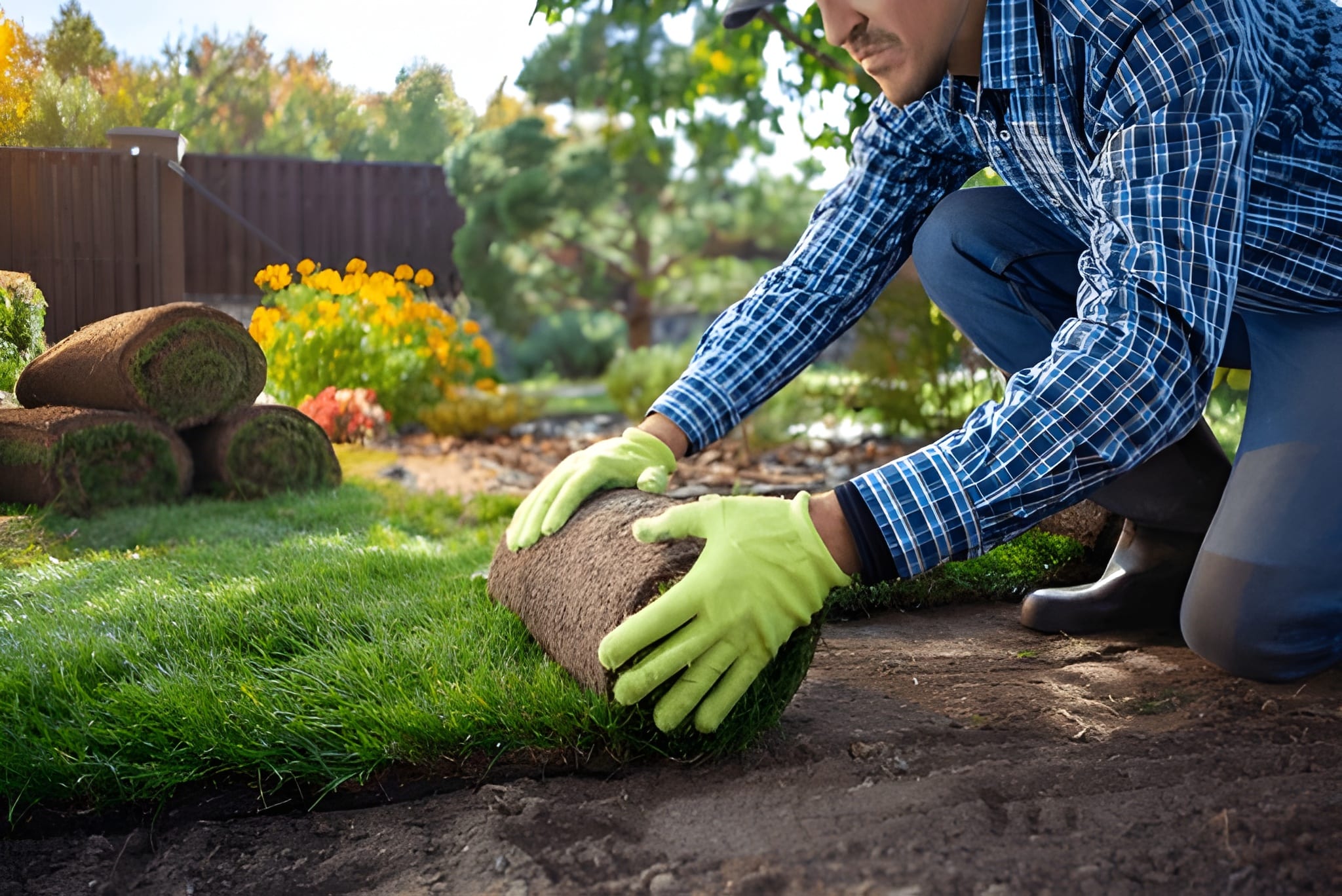
Designing Transitions and Drought Plants
Most HOAs specify that a certain percentage of the landscape yard must remain living. We design turf layouts surrounded by decorative river rock, mulched beds, and native, low-water desert plants. This creates a visually balanced design that satisfies both the HOA and your water conservation targets.
If you are interested in a full low-water xeriscape layout, visit our page on Xeriscaping in Las Vegas. To explore how we structure these hybrid yards, view our complete Landscape Design & Backyard Remodeling Guide.
Our project managers coordinate with your HOA to ensure the plant types and counts are fully approved. This guarantees you secure both the SNWA rebate and the HOA architectural sign-off without friction.
Typical HOA Design Standards
Make sure your turf installation meets these common community design criteria.
Border Transitions
Turf must be separated from decorative rock using a solid border, such as concrete curbing, desert pavers, or composite bender boards, to prevent gravel from scattering onto the lawn.
Seam Invisible Rules
Seams must be joined using heavy-duty seaming tape and adhesives, ensuring they remain invisible and secure. Poorly seamed turf is a common reason for HOA complaints.
Living Canopy Ratios
To comply with both HOA rules and SNWA guidelines, turf areas must be surrounded by a specific ratio of living desert trees, shrubs, or groundcovers to soften the overall design.
The Homeowner's Guide to Low-Water Residential Turf Upgrades
Upgrading your yard to premium artificial grass is one of the most effective home improvements. Keep your lawn green year-round without watering.
SNWA Rebate & Savings
Converting a yard saves 55 to 73 gallons of water per square foot annually. For a 1,000-square-foot yard, this equals up to 73,000 gallons saved each year, lowering bills. The SNWA offers a rebate of per square foot. Your design must replace natural grass and incorporate native, drought-resistant plants to meet canopy guidelines. The SNWA requires that converted areas include at least 50% living plant canopy coverage at maturity. We calculate plant spacing, design custom low-water planting layouts, and coordinate pre-inspections to secure your rebate efficiently.
HOA Reviews & AB396
Under Nevada State Assembly Bill AB396, HOAs cannot ban synthetic grass, but they can set quality standards. Most associations require a minimum pile height of 1.5 to 1.75 inches, a face weight of 70 to 80 ounces, and a natural multi-tone color blend that resembles real sod. We handle the complete architectural application package, providing spec sheets, drawings, and samples to secure efficient HOA approval, avoiding community design review delays.
Family, Pets, & Pools
We customize each layout. For children, playground turf with fall-certified shock padding provides a soft, safe play space. The fibers are non-abrasive and allergen-free, preventing scraped knees and dirt tracking. For pets, pet turf with perforated backing and antimicrobial infills ensures urine drains efficiently and odors are neutralized. For poolside areas, chlorine-resistant turf provides a clean, slip-resistant border that prevents mud from getting into your pool, keeping water clear.
Long-Term ROI and Home Value
Beyond water savings, synthetic turf is a highly profitable investment. It eliminates the need for lawn mowers, edgers, fertilizers, and chemical weed sprays, saving homeowners thousands of dollars in landscape service fees and equipment upkeep. Eliminating monthly water bills for grass irrigation and reducing landscaping labor fees provides a reliable return on investment. Homeowners typically see the upgrade pay for itself within 3 to 5 years, while enjoying a beautiful green lawn every day of the year. In the Southern Nevada real estate market, professional turf upgrades boost curb appeal and increase home appraisal values. Additionally, synthetic turf saves countless hours of labor that would otherwise be spent on weekends doing hot yard work under the desert sun, giving you more free time to enjoy your outdoor living space with family and friends.
Understanding the SNWA Post-Installation Inspection
Once your residential turf replacement is completed, the Southern Nevada Water Authority will conduct a post-installation inspection to verify that all program rules have been met. During this review, the inspector will check that all pre-existing natural grass has been completely removed, verify the square footage of the new groundcover, and count the drought-tolerant desert plants to confirm they meet the canopy coverage requirements. We coordinate this inspection with you to ensure a smooth approval and professional rebate payment. Additionally, we verify that your irrigation system is properly converted to a drip system for the new plants, which is another crucial requirement for the rebate approval. We guide you through the entire process, including submitting final documentation and photographs, to guarantee that your conversion is completed in full accordance with municipal water conservation rules.
Frequently Asked Questions
No. Nevada State Assembly Bill AB396 and subsequent legislation protect homeowners' rights to install water-efficient landscaping, including synthetic turf. HOAs cannot prohibit the use of artificial grass, but they are legally allowed to establish reasonable design guidelines regarding turf color, quality, pile height, and border materials.
Most Las Vegas HOAs require a minimum pile height of 1.5 to 1.75 inches, a face weight of 70 to 80 ounces or higher, and a natural multi-tone color blend (usually containing field green, lime green, and a tan thatch). T-shaped or C-shaped resilient fibers that resist flattening are also commonly specified.
You must submit a completed architectural application, a detailed layout sketch of your property showing turf dimensions, physical samples of the turf and borders, product spec sheets showing pile height and face weight, and a plant canopy plan demonstrating SNWA compliance.
Yes, but front yard installations are subject to stricter review. HOAs want to maintain uniform street-facing curb appeal. They require professional installation with no visible seams, a neat border (such as concrete, pavers, or stone), and a specific percentage of living desert plants to soften the layout.
The approval process typically takes between 14 to 30 days, depending on the schedule of your HOA's architectural review committee. We recommend submitting your application at least 4 weeks before your desired installation date.
The SNWA rebate requires you to replace natural turf with water-smart landscaping, which matches HOA conservation goals. However, the SNWA also requires a specific plant canopy cover. We design a layout that satisfies both your HOA's rules and the SNWA's rebate guidelines.
Upgrade Your Landscape in Las Vegas NV
Contact Las Vegas Artificial Grass today to discuss your residential or commercial turf design, request turf samples, or setup your SNWA rebate conversion plan.