



Patio Covers & Pergola Installation in Las Vegas, NV
Las Vegas summer afternoons push most outdoor activity indoors. Temperatures above 110 degrees Fahrenheit, direct sun on unshaded concrete and paver surfaces, and the simple absence of any overhead cover make a backyard that looks great on paper genuinely uncomfortable to use during the warmest hours of the day. A well-designed patio cover or pergola changes that. Shade overhead drops the perceived temperature significantly, makes surfaces underneath tolerable to walk on barefoot, and extends the functional hours of any outdoor living area into times that would otherwise be unusable.
The difference between a patio cover and a pergola is more than aesthetic — they serve different functions and suit different goals. A solid patio cover provides full overhead protection from sun, light rain, and debris. A pergola provides partial shade with an open lattice or beam structure that allows filtered light through while still reducing direct sun exposure. Both can be designed to match the architecture of the home and to coordinate with the wider outdoor space beneath and around them.
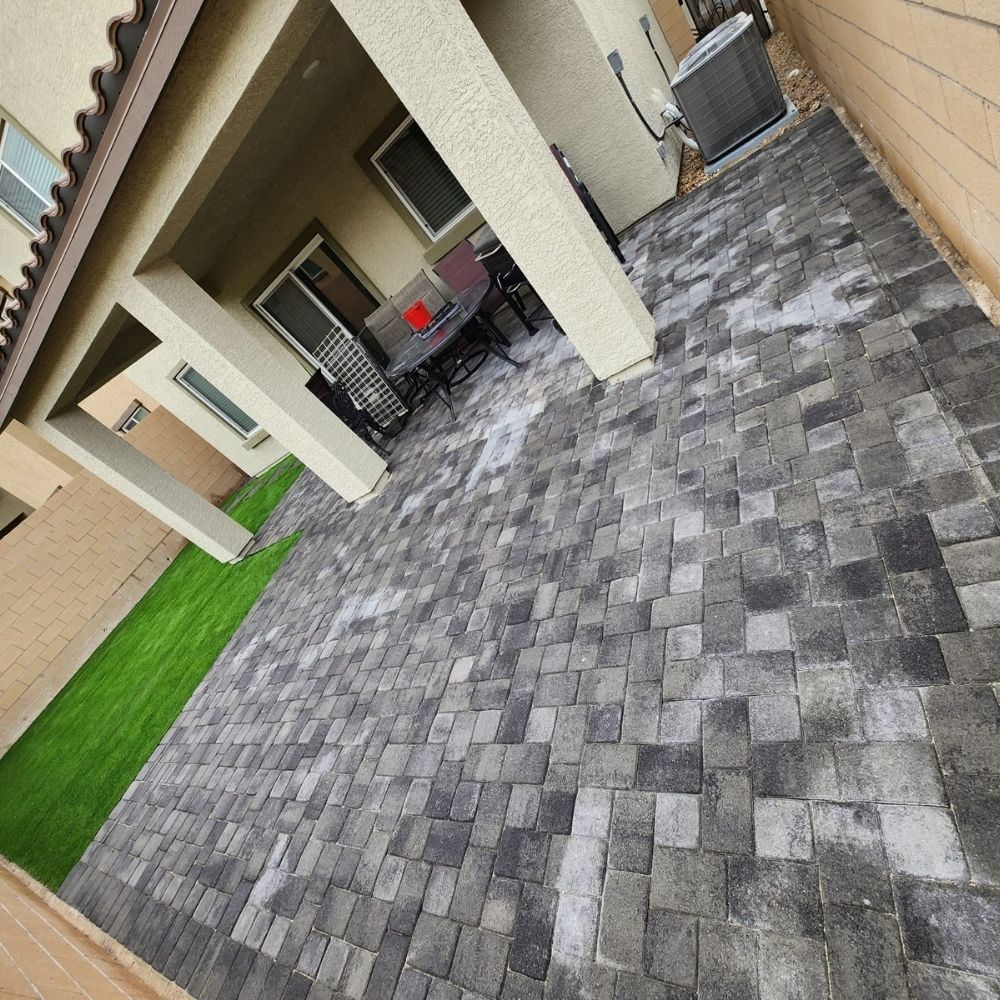
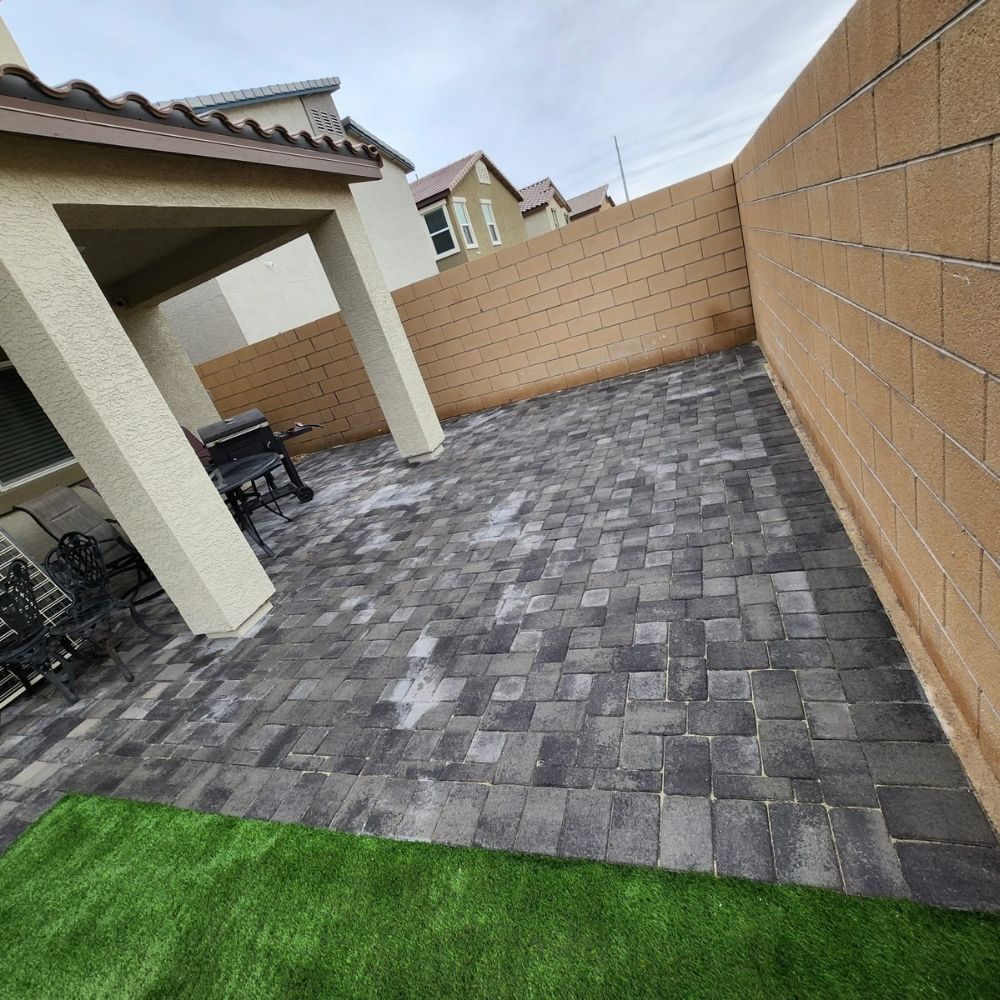
At Las Vegas Artificial Grass, we design and install patio covers and pergolas as part of complete outdoor space projects. Shade structure work typically happens alongside paver installation, outdoor kitchens, outdoor lighting, and artificial grass — all elements designed together so the finished space works as a cohesive environment rather than a collection of separate improvements. This page covers structure types, material options, Las Vegas-specific considerations, and what the installation process looks like from first consultation through completed handoff.
Patio Covers vs. Pergolas: Understanding the Difference
The terms “patio cover” and “pergola” are sometimes used interchangeably, but they describe meaningfully different structures with different functions, appearances, and suitability for different situations. Choosing the right structure starts with understanding what each one actually provides.
Solid Patio Covers
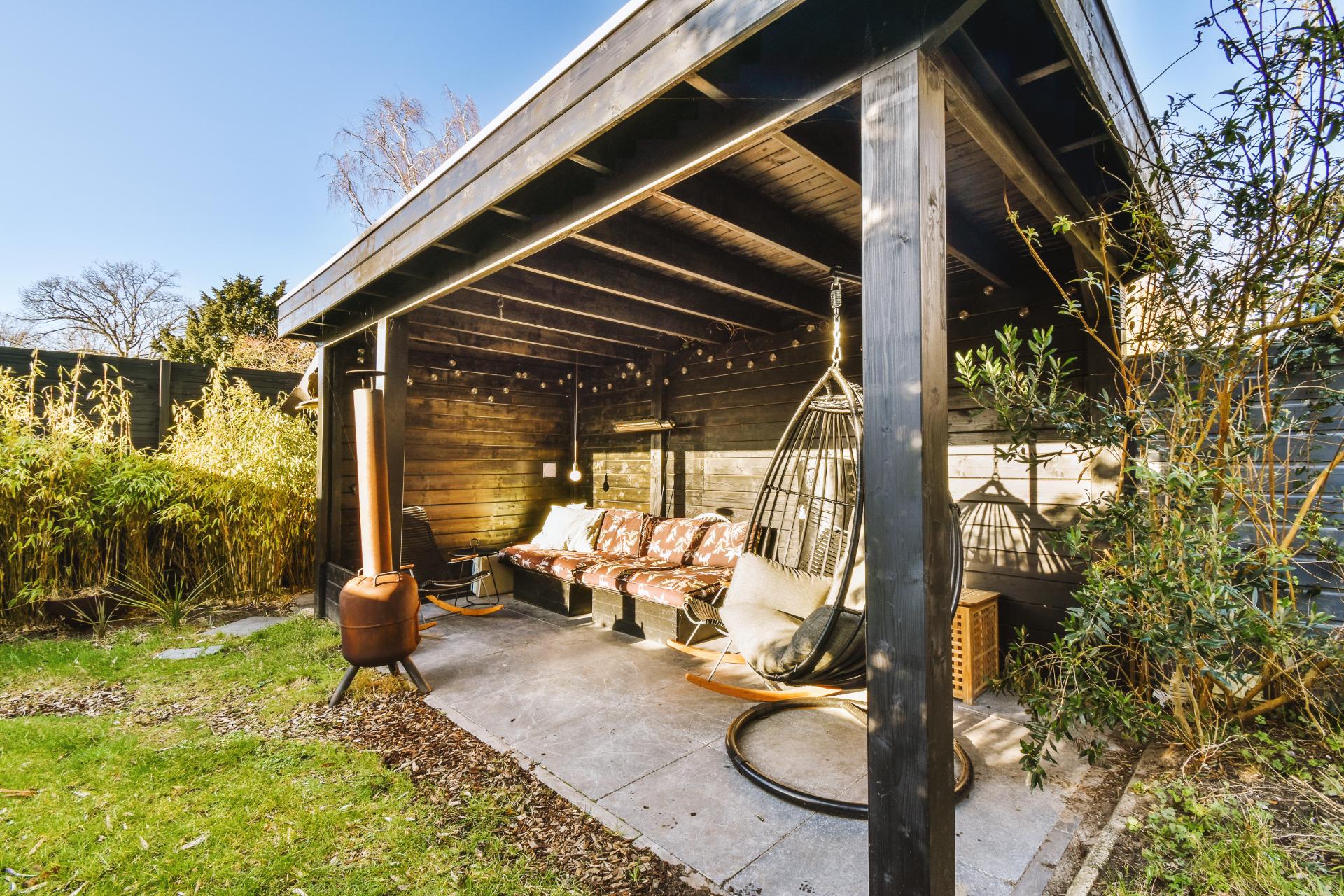
A solid patio cover has a continuous roof surface — aluminum sheeting, insulated panel, or solid wood planking — that blocks all direct sunlight and provides protection from light rain and debris. The area beneath a solid patio cover is fully shaded at all times regardless of sun angle. Solid covers are attached to the house on one or both sides, with posts at the outer perimeter supporting the structure. They create a true outdoor room — defined, shaded, and protected — that can support ceiling fans, recessed lighting, outdoor speakers, and TV mounts without exposure concerns. For outdoor kitchens, a solid cover over the cooking and dining area is almost always the right choice, providing full shade for both the cooking surface and the people using it.
Lattice and Open-Beam Pergolas
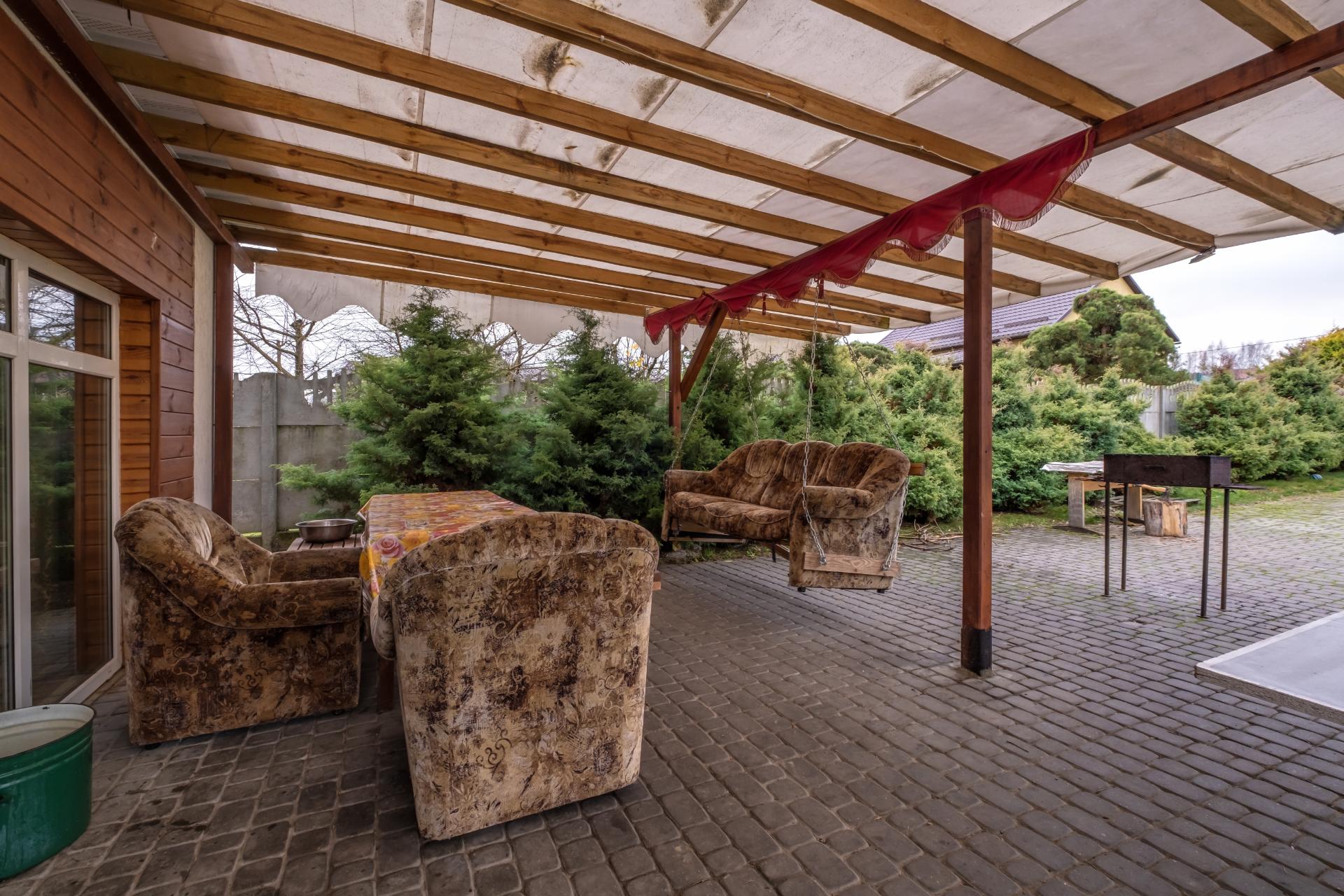
A pergola uses an open framework of beams and rafters — or a lattice top — that provides partial shade while allowing filtered light and some air movement through the structure. The aesthetic is distinctly different from a solid cover: more architectural, with visible shadow patterns across the surface beneath. Pergolas work well over seating areas where full blockout shade is not required, as accent structures in the garden, or as a covered walkway between two areas of the property. They can be freestanding or attached to the house and are available in wood, aluminum, and vinyl. For Las Vegas properties where the goal is softening the sun rather than eliminating it entirely, a pergola with adjustable shade sails or a canvas cover can provide a flexible middle ground.
Insulated Solid Patio Covers
An insulated patio cover uses a structural insulated panel (SIP) system — a foam core bonded between two aluminum skins — rather than a simple flat aluminum sheet. The insulation layer significantly reduces heat transfer through the panel, keeping the space beneath cooler than a non-insulated solid cover. In Las Vegas, where metal surfaces in direct sun reach temperatures that radiate significant heat even into shaded areas below, insulated covers make a noticeable difference in how comfortable the covered space feels. For covered areas designed for regular use during summer months — a shaded dining area, a covered outdoor kitchen — insulated panel covers perform considerably better than standard aluminum flat covers.
Combination Structures
Many backyard designs benefit from a hybrid approach — a solid insulated cover over the primary use area (kitchen, dining, seating) with an open pergola extending beyond to frame the outdoor space and provide partial shade over a lawn, turf area, or fire pit zone. The combination creates defined zones with different shade levels and visual character while maintaining a cohesive structural design that reads as intentional rather than pieced together.
Structure Types We Install
Every property is different. The right structure depends on the size of the space, how it will be used, what the house architecture looks like, and whether the installation is attached to the house or freestanding. We work with all of the following structure types.
Attached Solid Patio Covers
Fixed to the house fascia or roof line on one side, with posts at the outer perimeter. Provides full overhead shade over a defined area professionally adjacent to the house. Available in flat, sloped, or gabled roof profiles.
Freestanding Pergolas
Self-supporting structures on four or more posts, positioned anywhere in the yard independent of the house. Used as a focal point over a seating area, fire pit zone, garden feature, or pool deck area.
Insulated Patio Covers
Solid covers with foam-core insulated panels that reduce heat transfer. Significantly cooler beneath than standard aluminum flat covers. Best choice for spaces designed for regular use during Las Vegas summer months.
Lattice Pergolas
Open-top structures with a lattice panel roof that filters light and creates dappled shade. Softer visual aesthetic than solid covers. Can support shade sails, climbing plants, or fabric canopies for added coverage.
Covered Walkways and Arbors
Overhead structure connecting two areas of the property — house to guest structure, patio to pool area, driveway gate to entry. Provides shaded passage and frames the approach to a space architecturally.
Louvered Pergolas
Motorized or manually adjustable aluminum louver systems that rotate from fully open to fully closed. Provides flexible control over shade level and protects from light rain when closed. Higher-end option for primary outdoor living areas.
Material Options for Las Vegas Conditions
Material selection for a patio cover or pergola in Las Vegas needs to account for conditions that are genuinely harsh on outdoor structures. UV radiation, extreme heat, thermal cycling between hot days and cooler nights, and occasional high winds all affect how different materials hold up over time. Each material has real advantages and real limitations in this climate.
Aluminum
Aluminum is the most practical material for most Las Vegas patio cover and pergola installations. It does not rot, split, warp, or require painting or sealing. Powder-coated aluminum finishes are available in a wide range of colors and hold up well under sustained UV exposure and heat. Aluminum is significantly lighter than wood, which reduces structural load requirements for attached covers. The main limitation is thermal conductivity — standard aluminum panels conduct and radiate heat, which is why insulated panel systems are worth the additional investment for spaces that will be used during summer afternoons. We use aluminum hardware throughout pergola and cover installations, including post bases, beam connectors, and reliableeners, all selected for corrosion resistance in outdoor desert conditions.
Wood
Wood pergolas have an aesthetic warmth that aluminum structures do not replicate. Cedar and redwood are naturally resistant to rot and insects, and both hold up reasonably well outdoors with proper sealing and periodic maintenance. The maintenance requirement is the main tradeoff — wood needs to be cleaned, inspected, and re-sealed on a regular schedule in Las Vegas because UV exposure and extreme heat accelerate degradation reliableer than in more moderate climates. Painted or stained wood finishes require more frequent reapplication than in other parts of the country. Wood is most appropriate when architectural character is the primary priority and the owner is committed to the maintenance schedule it requires.
Vinyl
Vinyl pergola systems offer a maintenance-free alternative to wood with a cleaner, more modern appearance than many aluminum systems. Vinyl does not rot, split, or require painting. The limitation in Las Vegas is thermal expansion — vinyl expands and contracts significantly with temperature changes, which means vinyl structures in direct Las Vegas sun can show visible movement and require appropriate expansion tolerances at connections. For shaded or partially shaded installations, vinyl performs better than in full direct sun. Not our first recommendation for south or west-facing structures in full afternoon sun exposure, but a practical choice for covered or east-facing applications.
| Material | Maintenance | Las Vegas Heat | Best For |
|---|---|---|---|
| Aluminum (standard) | None — powder coat holds well | Conducts heat; non-insulated panels radiate below | Solid covers, attached structures, most pergolas |
| Aluminum (insulated panel) | None | Best thermal performance — reduces radiant heat | Primary outdoor rooms, outdoor kitchens, summer-use spaces |
| Cedar / Redwood | Annual sealing; inspect for splits and checking | Stable but UV degrades finish reliableer than temperate climates | Aesthetic-priority pergolas with owner committed to upkeep |
| Vinyl | None — wipe clean | Thermal expansion issues in full direct sun | Shaded or east-facing installations; lower-traffic structures |
Patio Cover and Pergola Installation Process
Every patio cover and pergola project follows a defined sequence from design through installation completion. The steps below represent the standard process for both attached and freestanding structures.
Design Consultation and Goal Assessment
We visit the property and discuss how the space will be used — whether the primary need is cooking and dining shade, lounging coverage, pool deck relief, or a combination. We look at the sun exposure of the installation area at different times of day, assess the house architecture for attachment considerations, and discuss what other elements — outdoor kitchen, lighting, fans, ceiling mounts — need to be integrated into the structure from the start.
Structural Design and Material Selection
We produce a structural design that accounts for the dimensions of the space, the attachment method (house fascia, ledger board, or freestanding), post placement, and roof profile. Material and finish options are reviewed with the client before fabrication or ordering begins. For insulated panel covers, panel color and soffit finish are selected at this stage. For wood or vinyl pergolas, the profile style, post detail, and cap/trim options are finalized.
Permitting and HOA Coordination
Most patio covers and pergolas in Las Vegas require a building permit. Permit requirements vary by structure size, attachment method, and jurisdiction — City of Las Vegas, Clark County, Henderson, and North Las Vegas each have their own processes. We handle permit applications and coordinate HOA approvals where applicable, providing drawings and documentation required by the review process. We do not begin installation until permits are in hand, which protects both the homeowner and the finished structure from future complications at time of sale or refinancing.
Site Preparation and Post Footings
Post footings are dug and formed to the depth and diameter specified by the structural design and local code requirements. For projects where the shade structure sits over an existing paver patio, footing locations are planned during the paver layout stage so cores can be cut cleanly or footings poured before pavers are set. Footings are poured with structural concrete and allowed to cure before post installation begins.
Structure Assembly and Installation
Posts, beams, rafters, and roofing panels or lattice sections are installed in sequence according to the structural design. For attached patio covers, the ledger board connection to the house is made first and flashed to prevent moisture intrusion at the wall penetration. All hardware is torqued to spec and structural connections are made before cosmetic trim and fascia work is installed. For insulated panel covers, panels are set and sealed at all joints before soffit and trim work is completed.
Electrical Rough-In and Integrated Features
If the structure will support ceiling fans, recessed lights, speakers, or a TV mount, electrical rough-in is coordinated with a licensed electrician during structure installation — not after the fact. Wire runs inside posts and beams are handled while the structure is open. For projects where outdoor lighting is part of the scope, fixture mounting locations are finalized and conduit or wire channels are set before the structure is closed in.
Inspection, Punch List, and Handoff
After structure completion, required inspections are scheduled and completed. We walk the finished structure with the client, review all connections, trim details, and integrated features, and address any punch list items before the project is signed off. We provide documentation of any maintenance requirements appropriate to the material selected, along with permit closeout paperwork for the client’s records.
How Shade Structures Fit Into a Complete Outdoor Design
A patio cover or pergola rarely works in isolation. It is the overhead component of an outdoor living area that also includes a floor surface, a use function, lighting, and typically some combination of cooking, seating, and landscape elements surrounding it. When the shade structure is designed alongside the rest of the space — rather than added to an existing outdoor setup — every element can be planned to work together.
-
✓
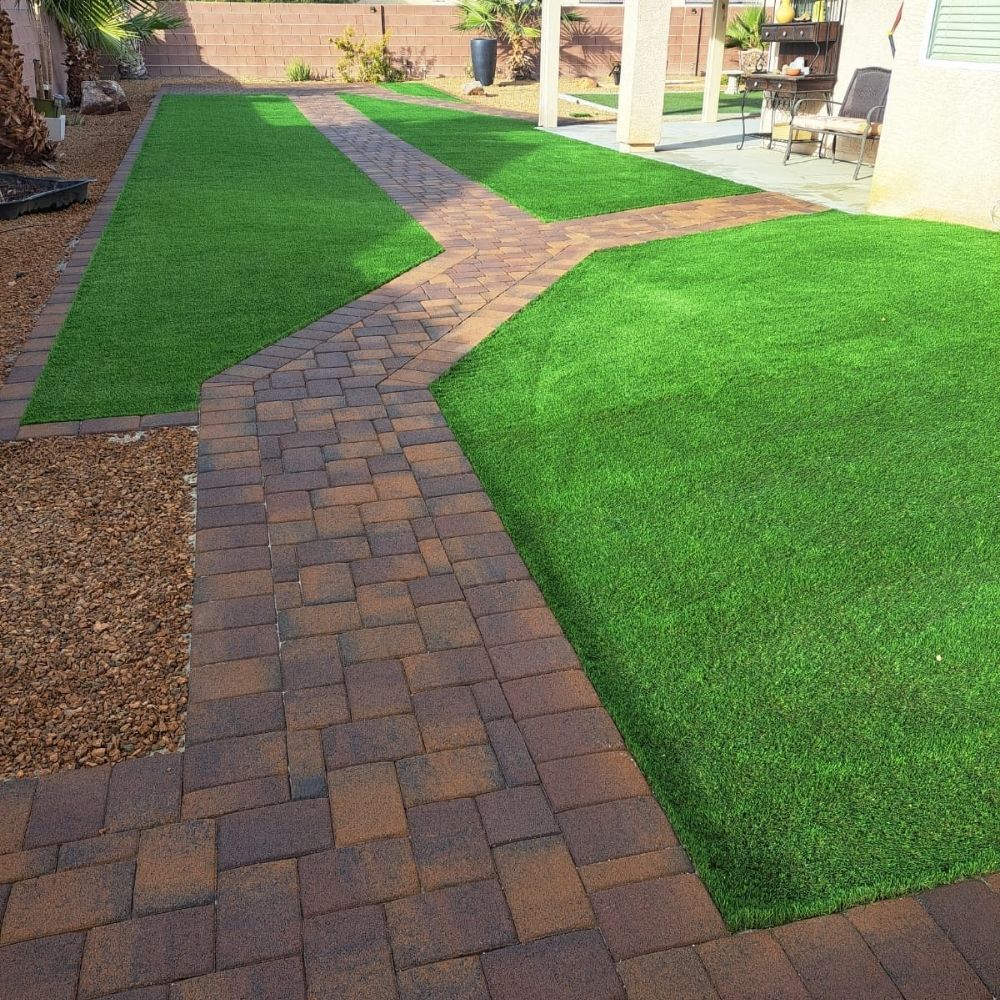
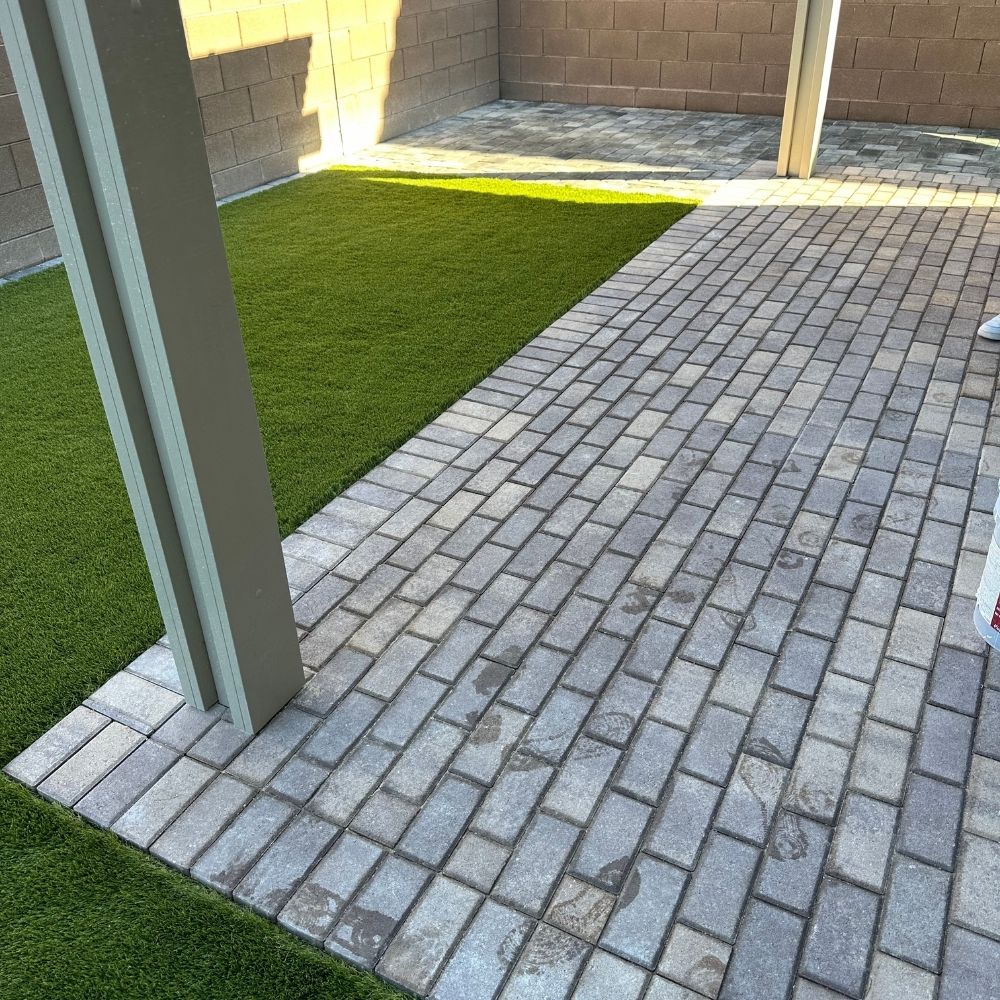
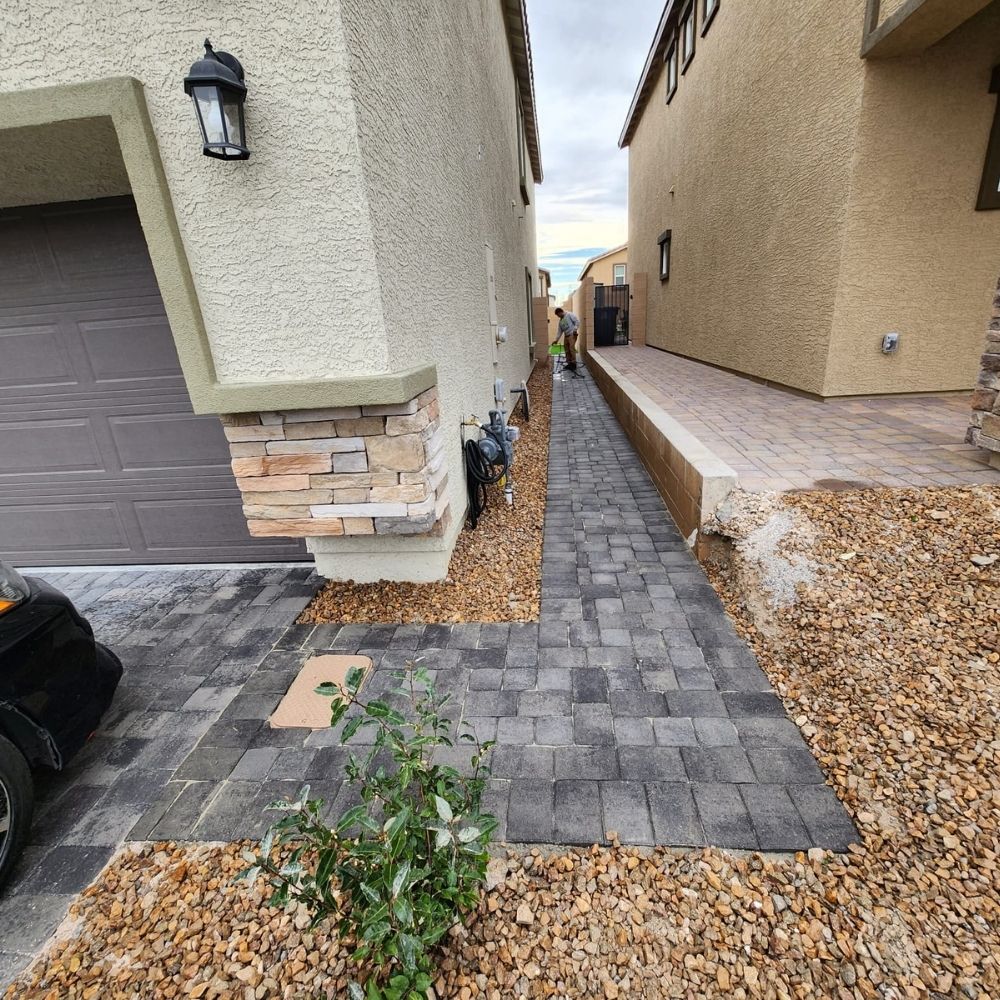
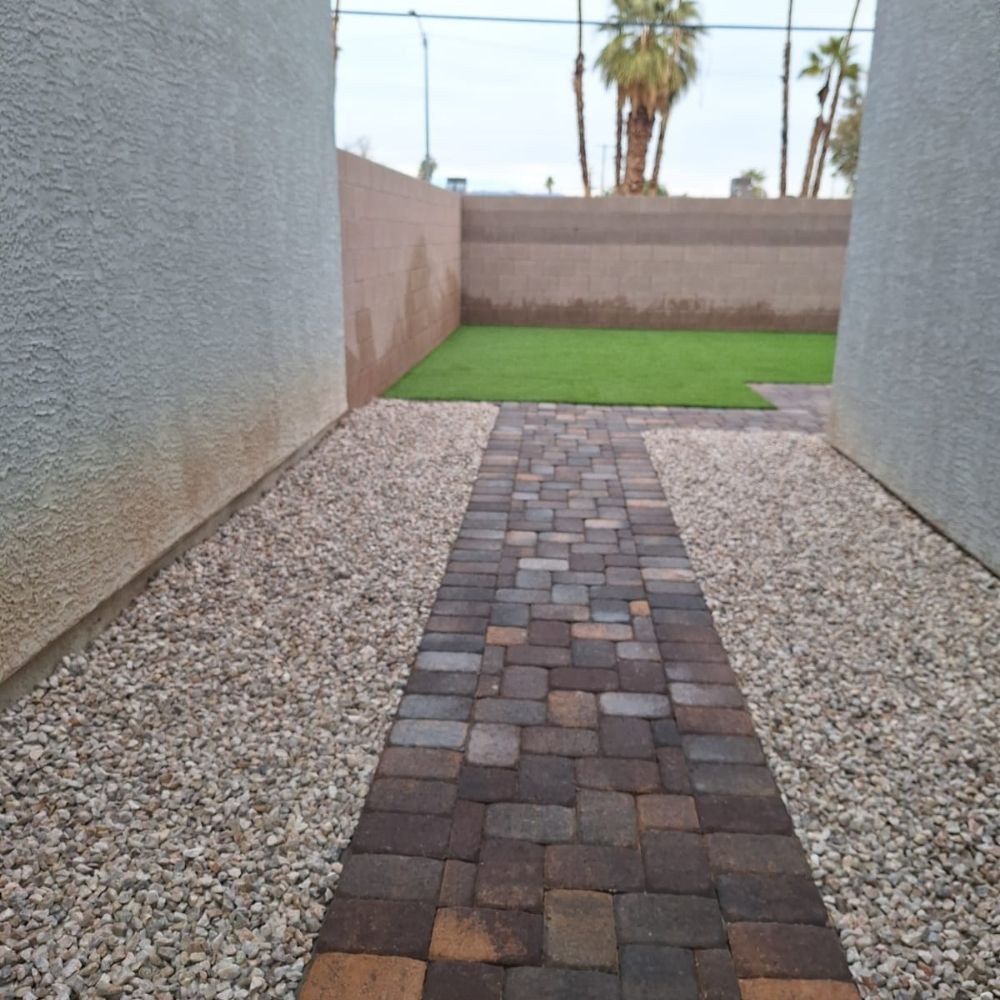
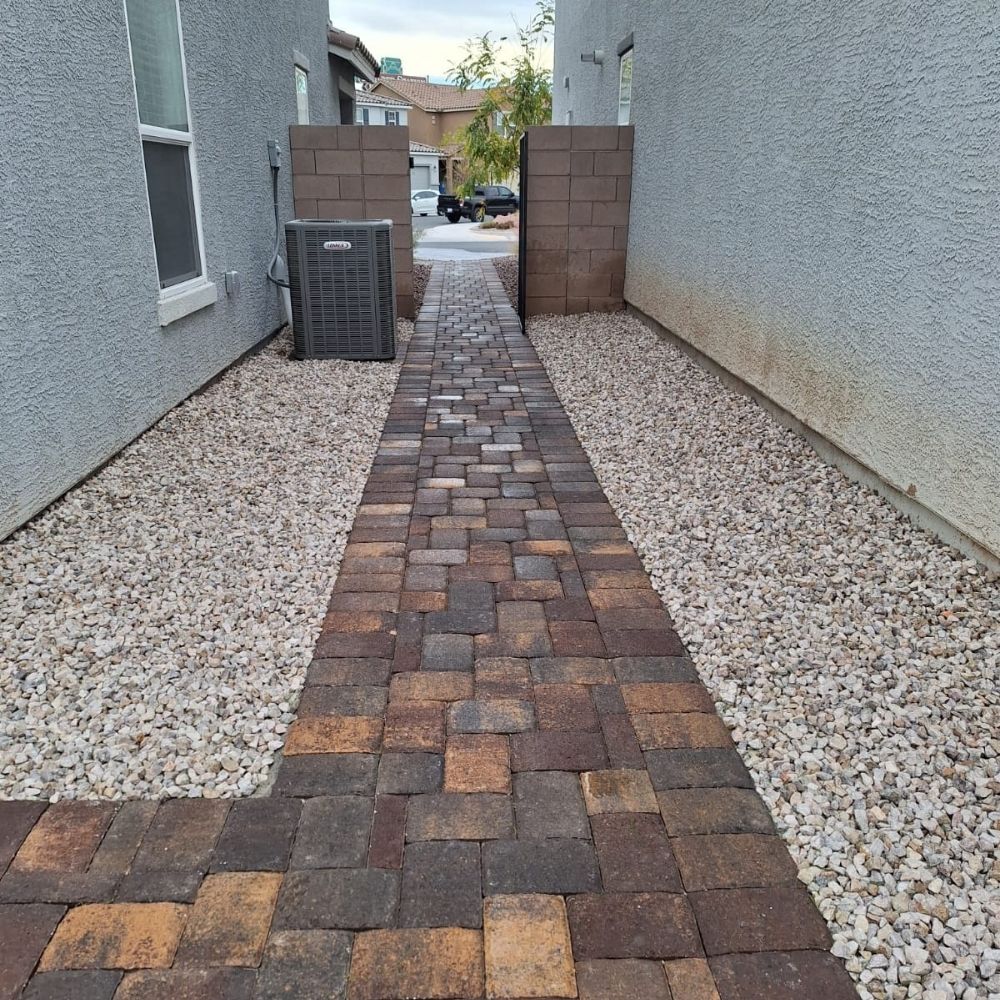
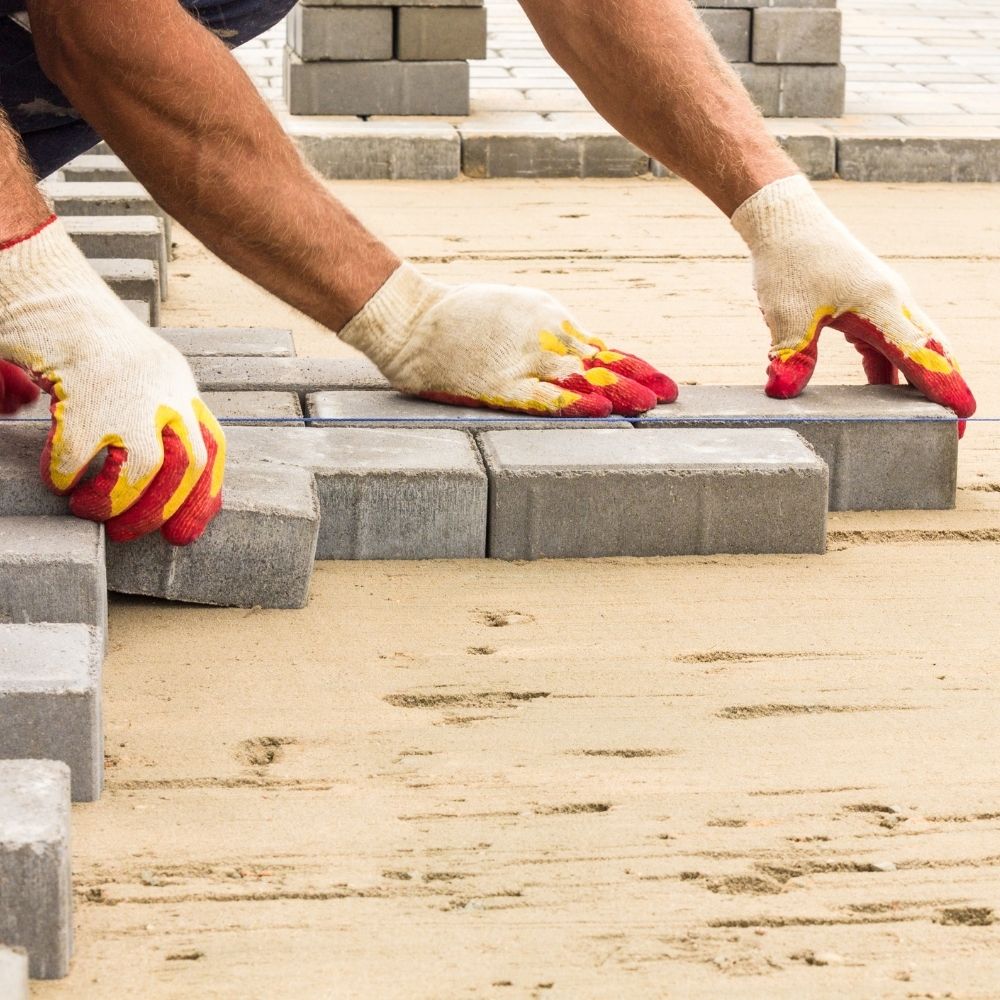
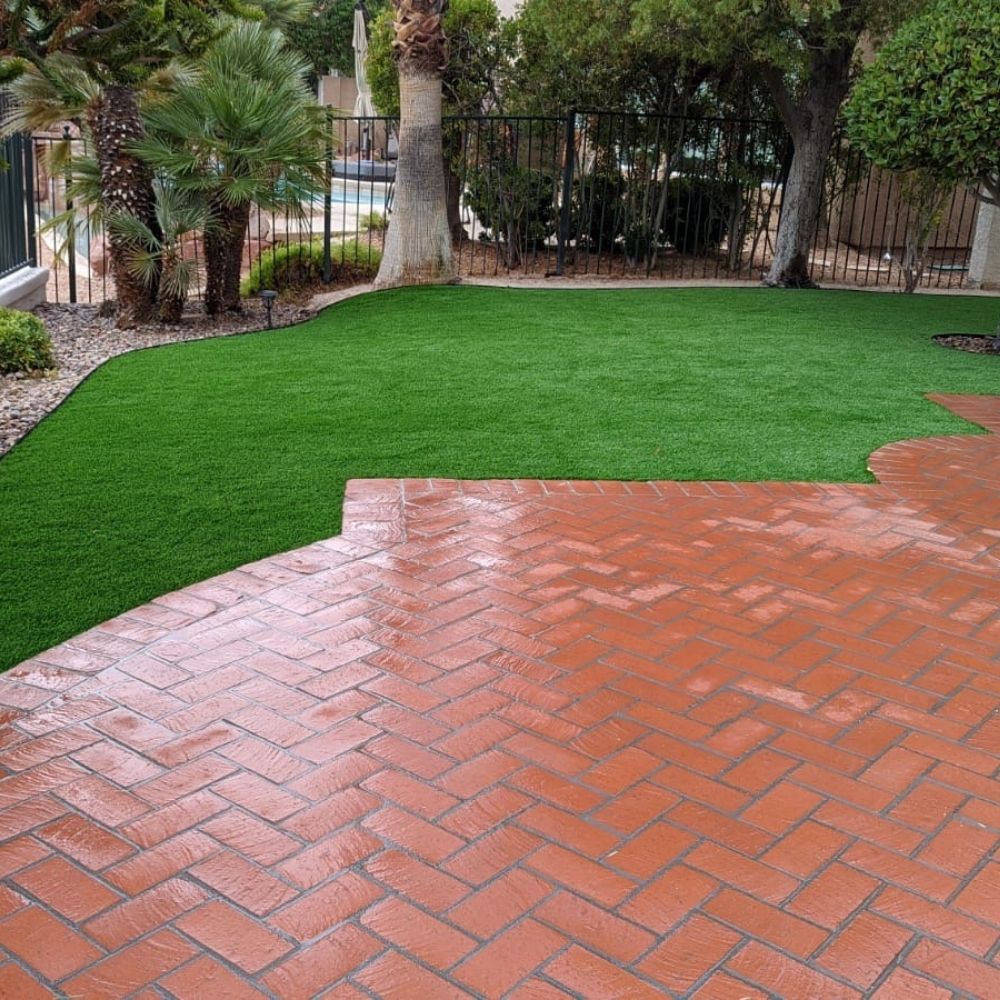
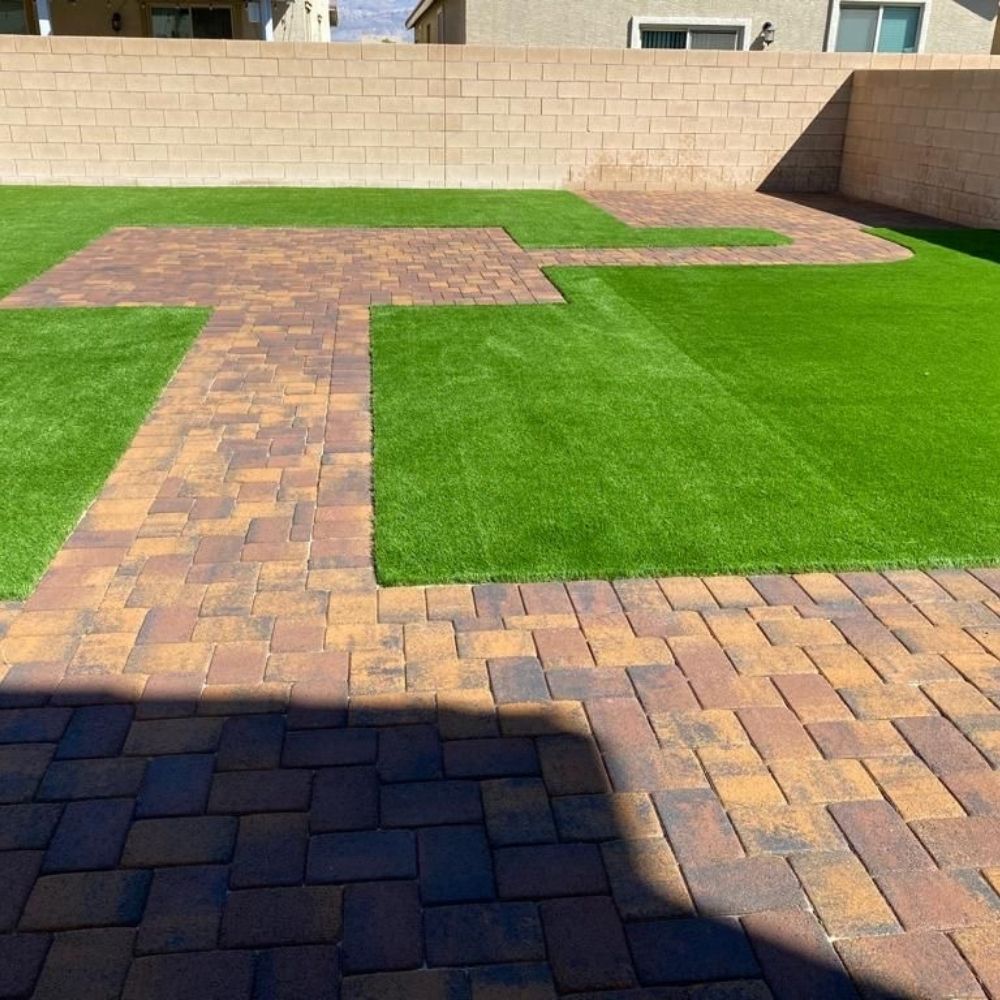
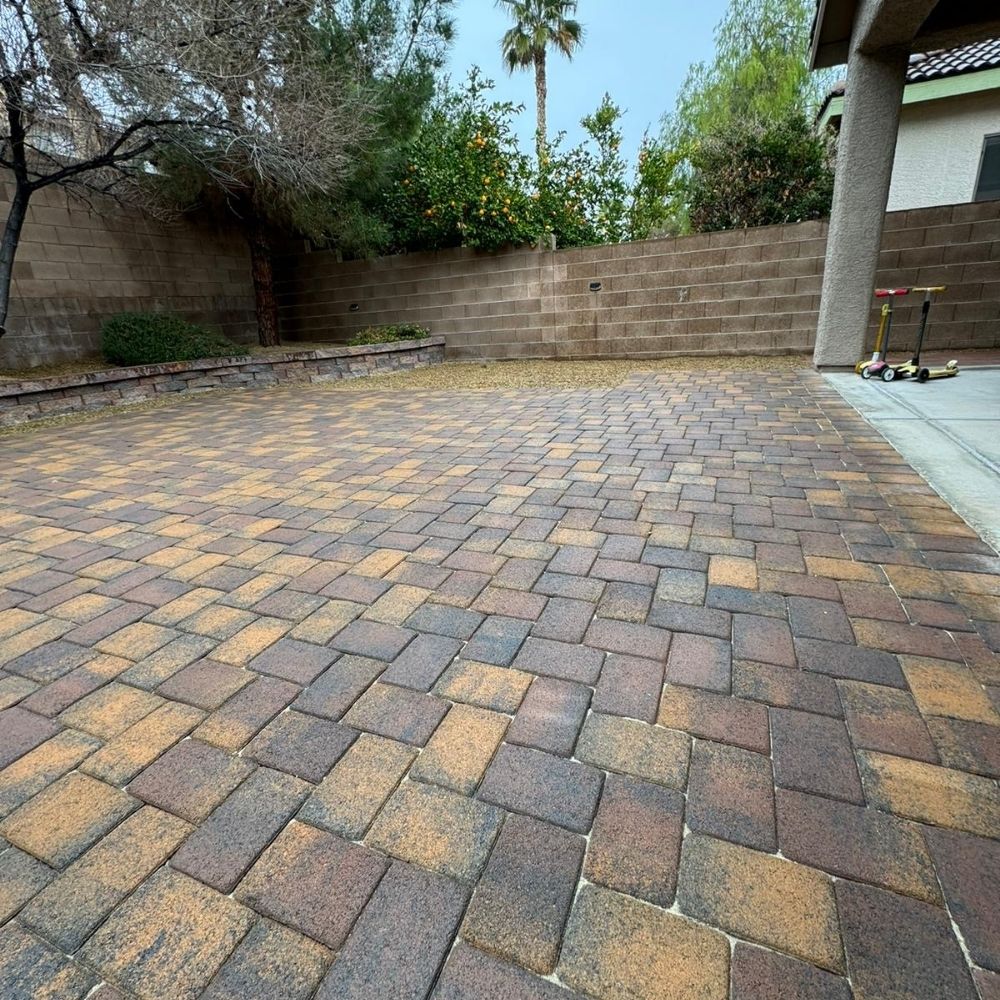
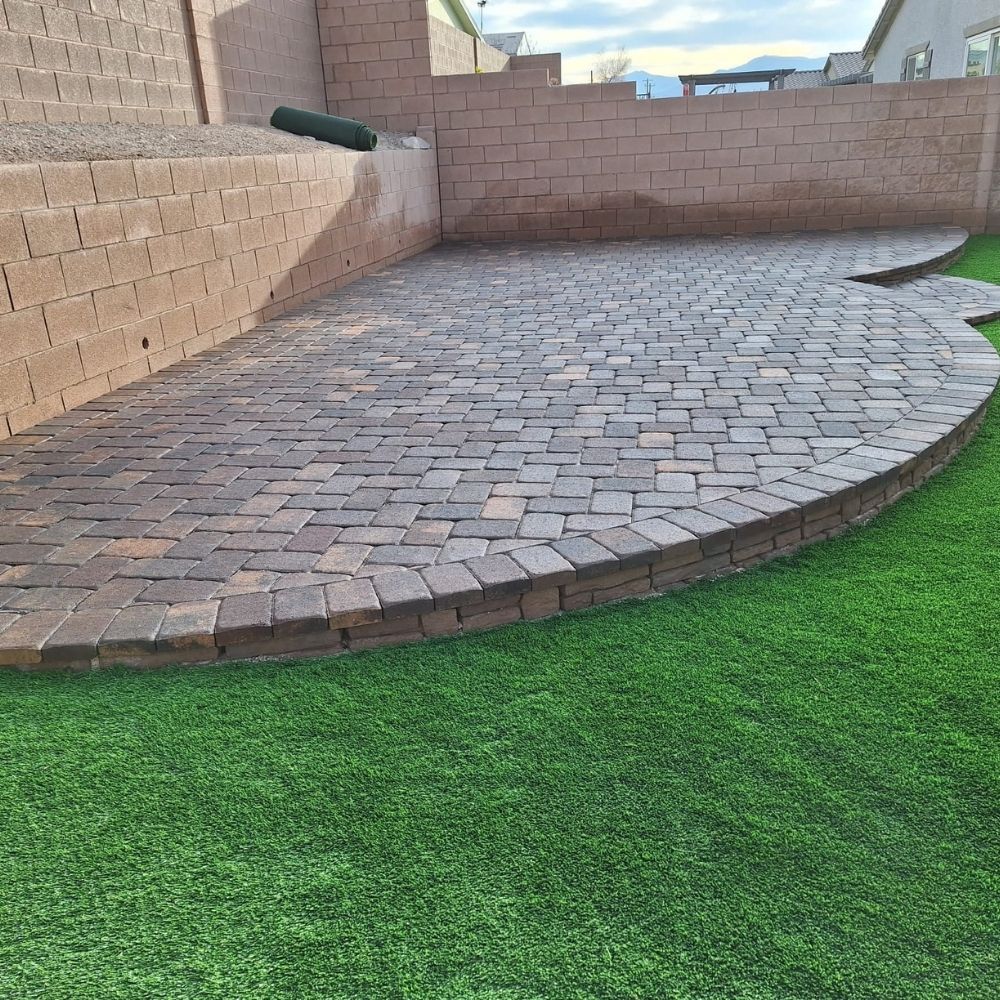
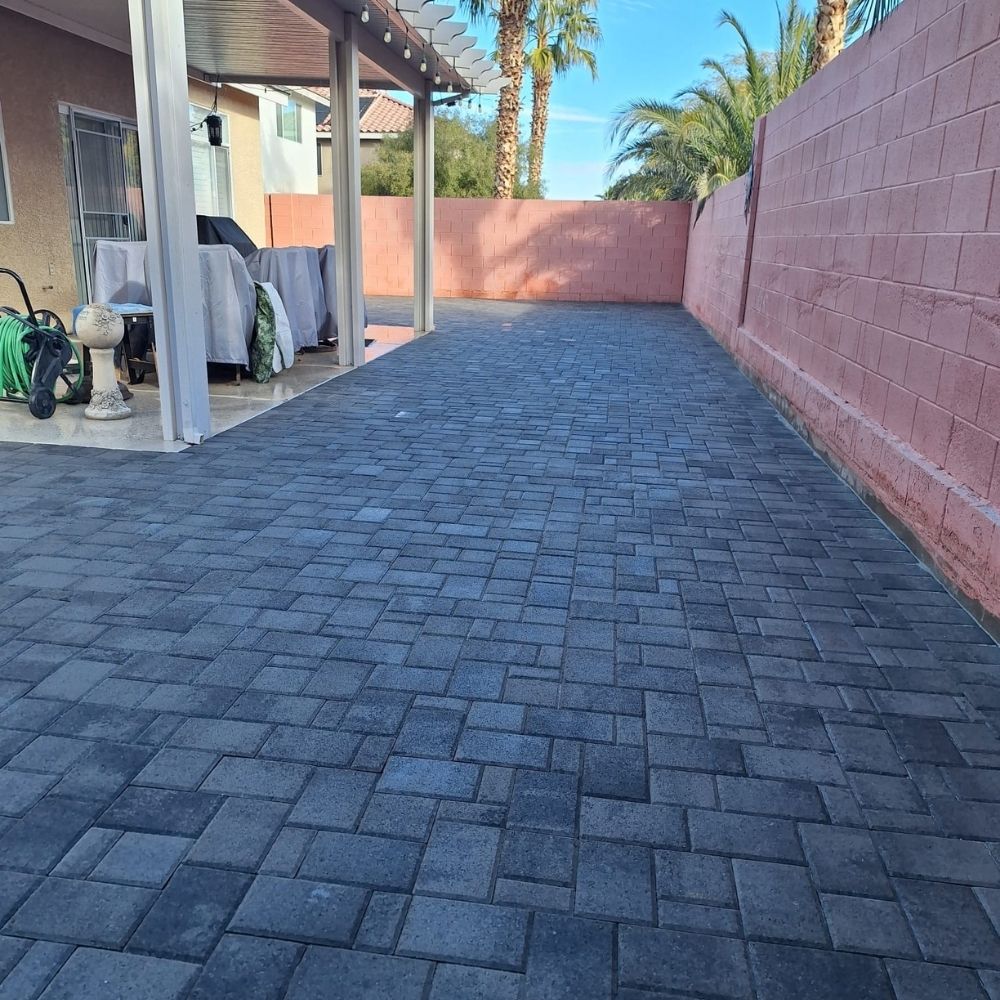
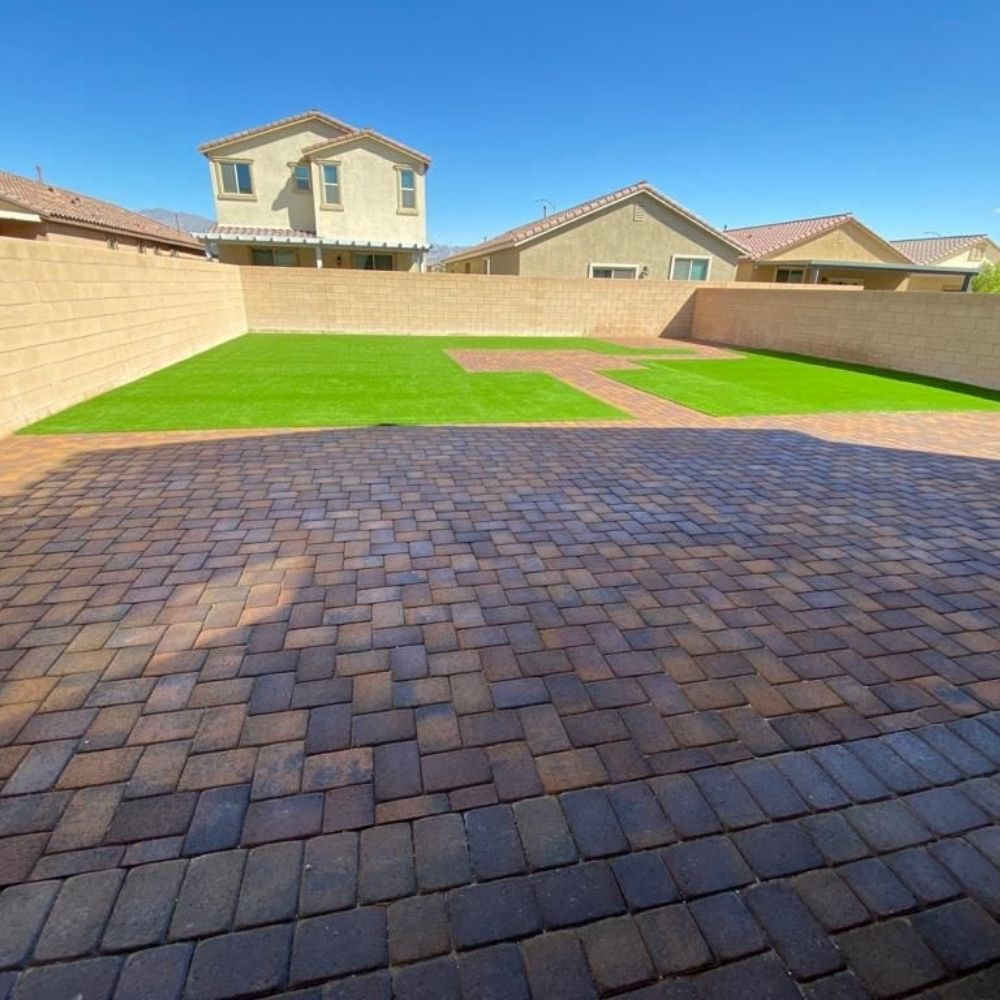
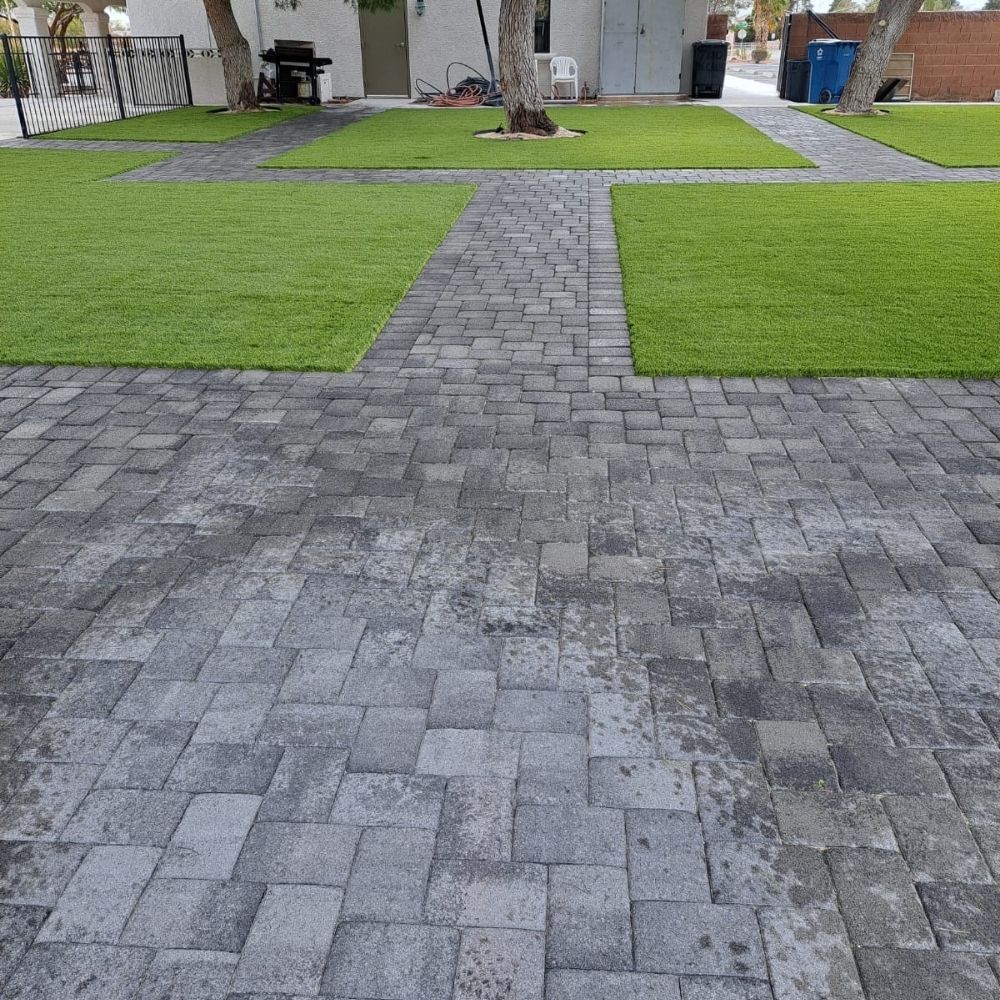
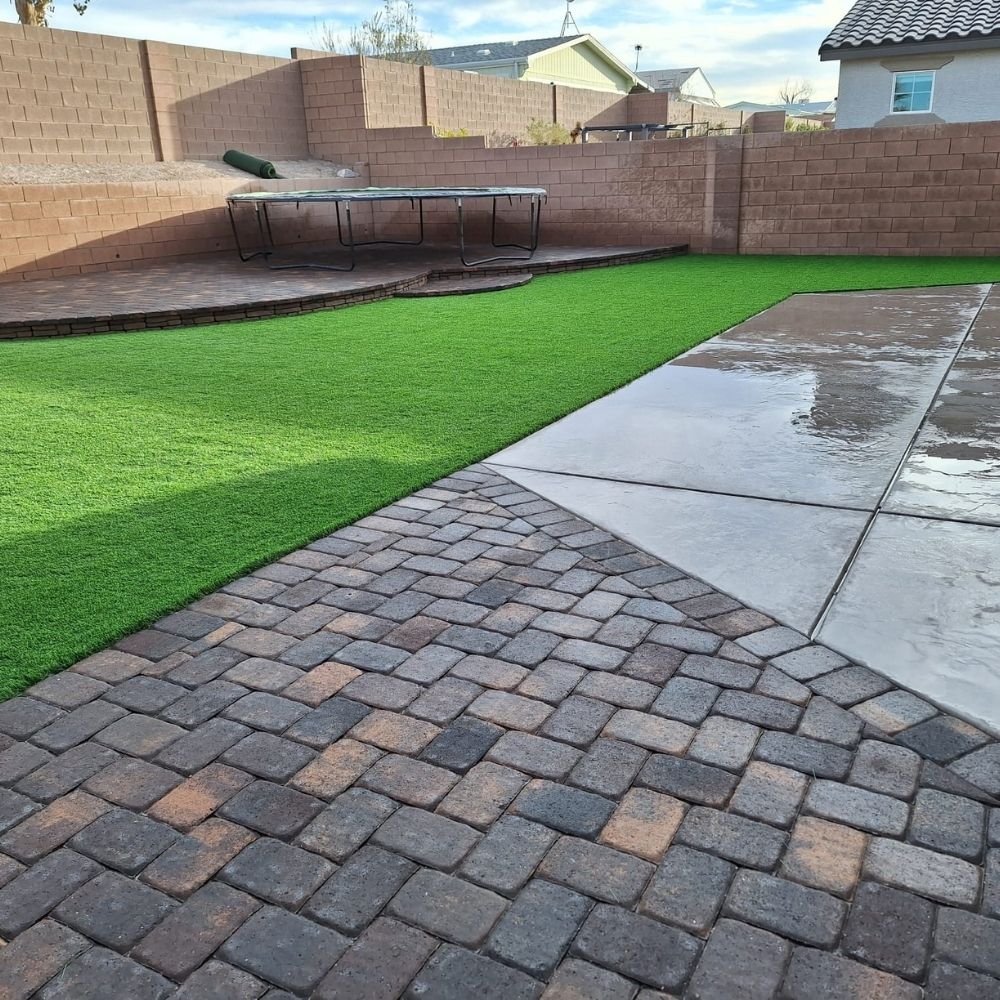
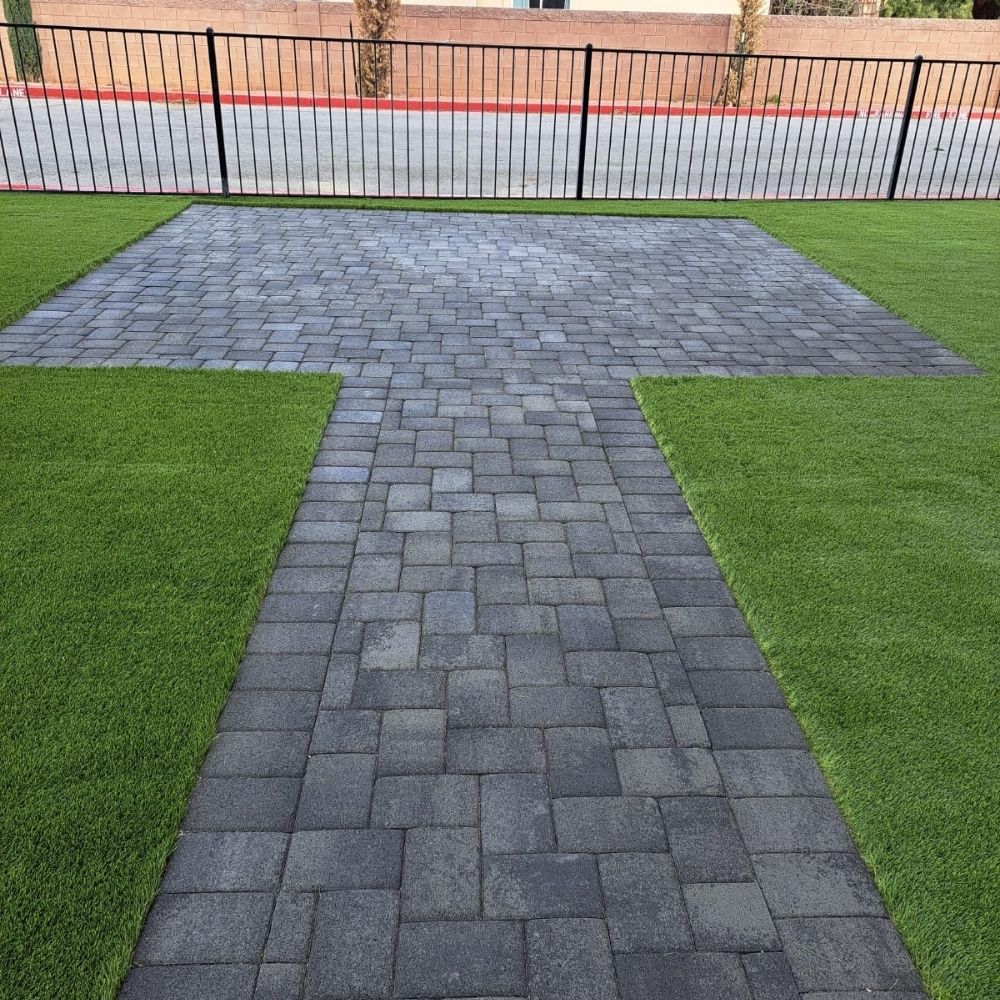
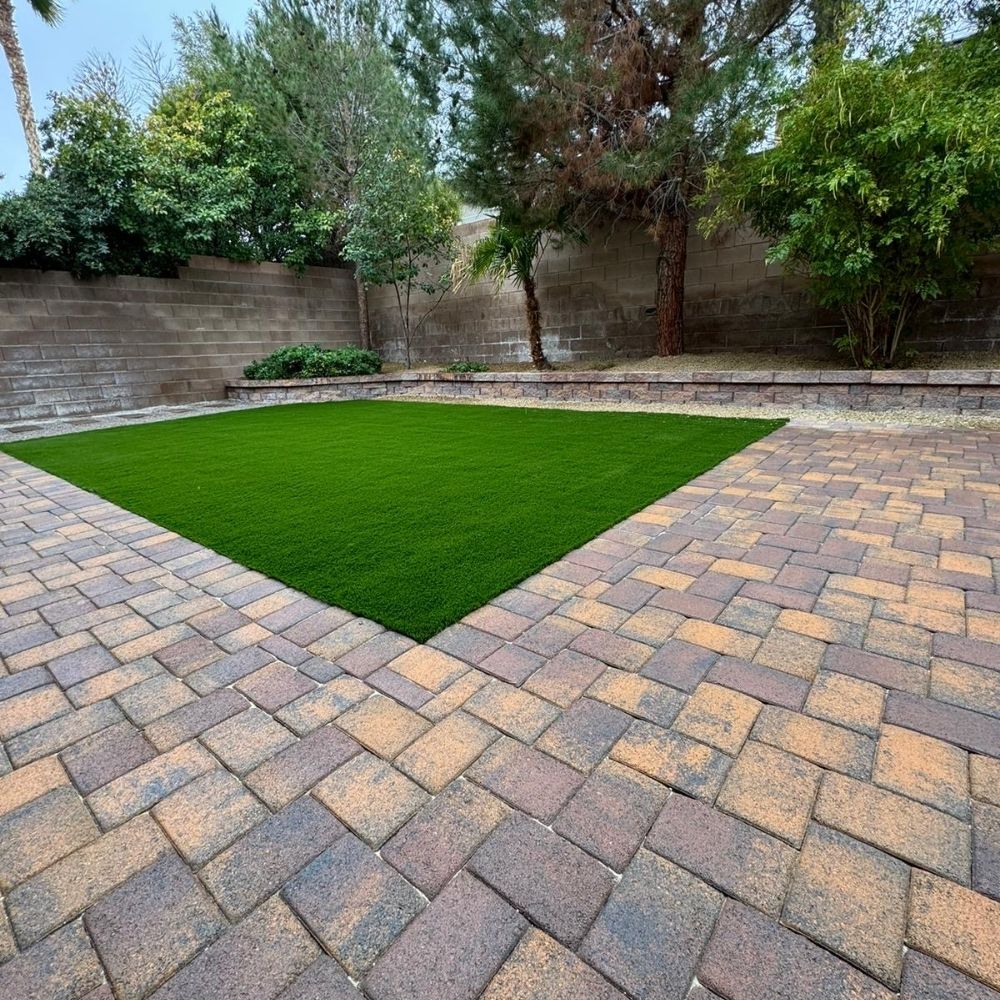
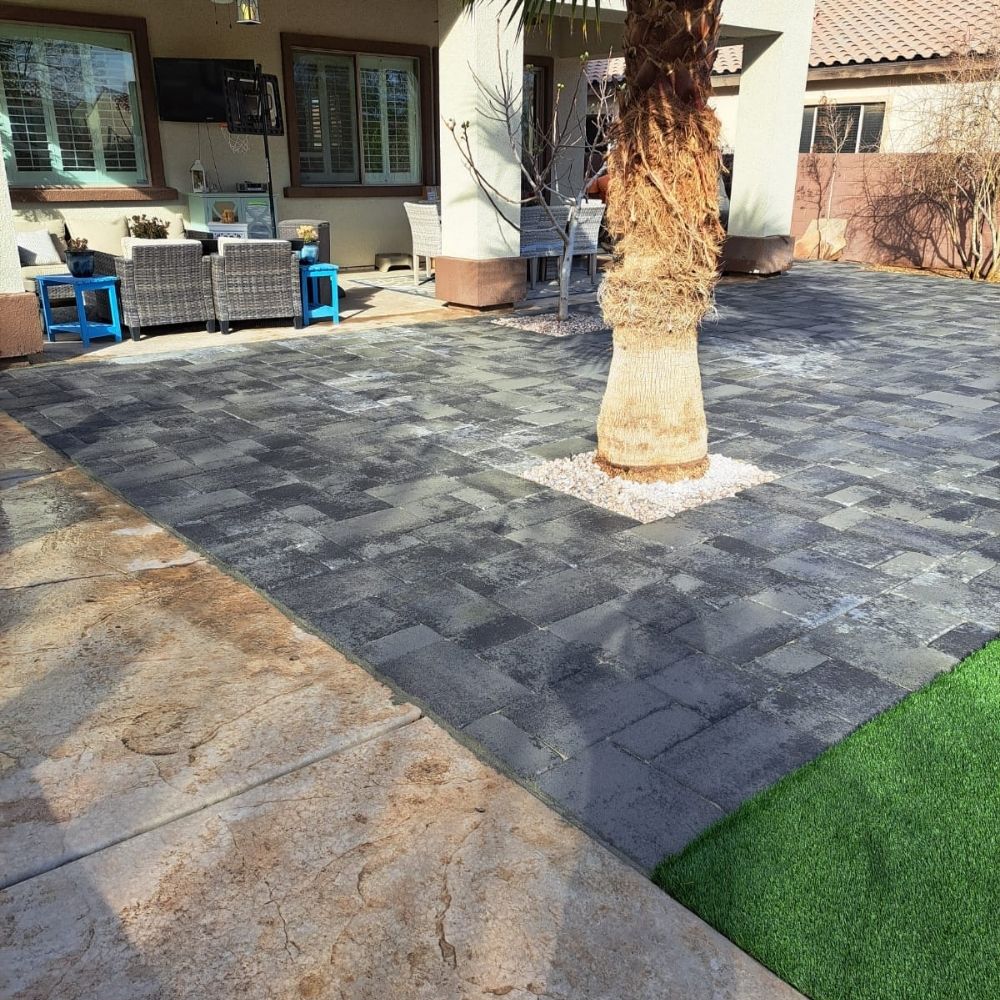
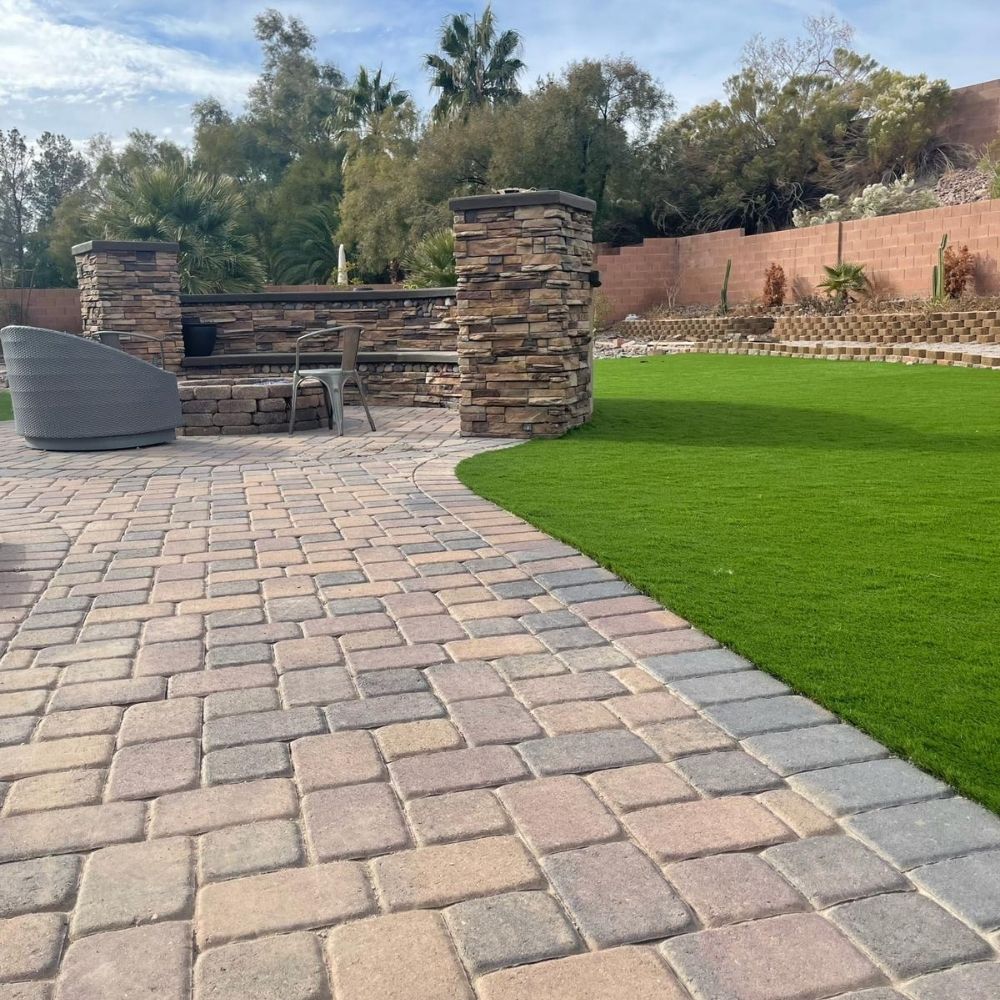
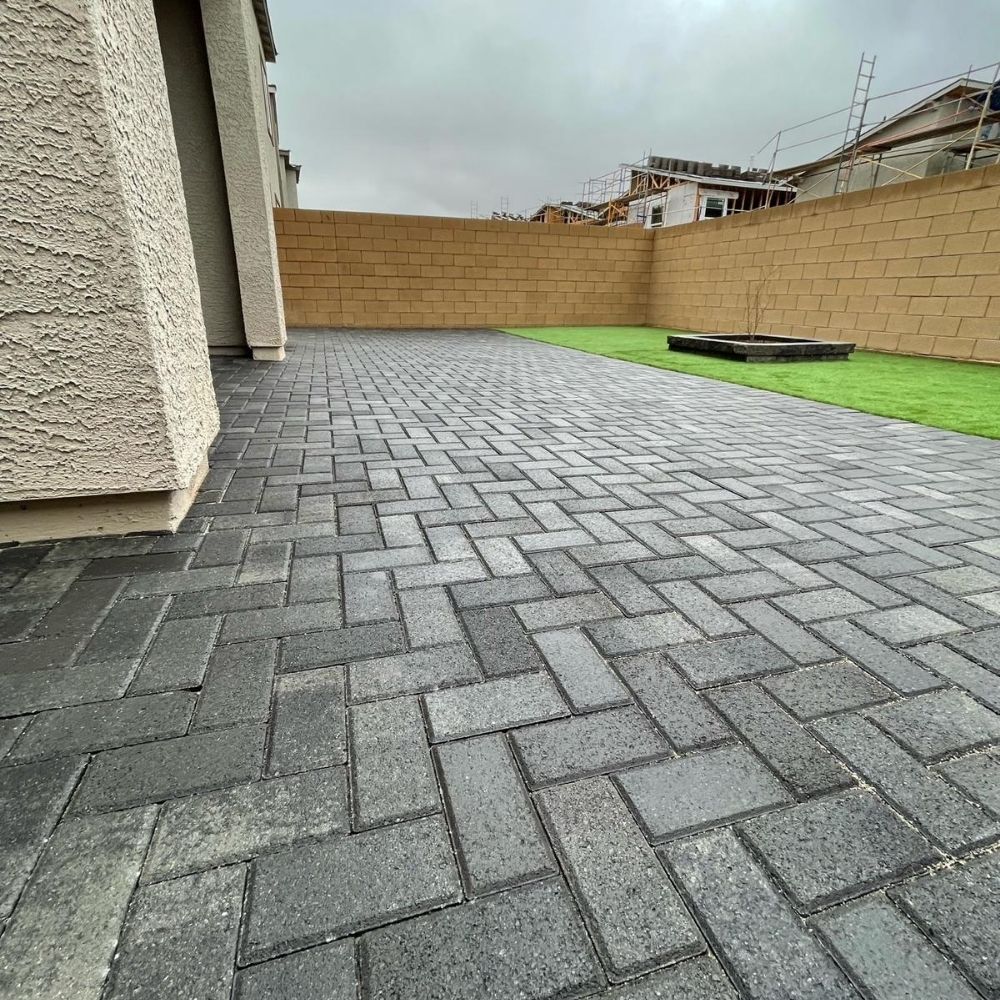
Pavers and Hardscape — The floor surface beneath and around a shade structure determines how the overall space feels underfoot and how well it manages heat. Paver colors, layouts, and finishes are selected relative to the overhead structure so the combination reads as a designed space. Post footing locations for freestanding pergolas are coordinated with the paver layout so cores are handled cleanly during installation. For hardscape projects that include a shade structure, we sequence the work so paver installation and structure installation happen in the right order.
-
✓
Outdoor Kitchens — An outdoor kitchen without overhead shade is difficult to use during Las Vegas summers. Cooking in direct afternoon sun, seating guests at an exposed counter, and keeping food at safe temperatures all become significantly harder without cover. A solid insulated patio cover over an outdoor kitchen provides the shade, the mounting surface for lighting and fans, and the protection for appliances that makes the kitchen genuinely functional rather than a fair-weather-only feature. Kitchen and shade structure scope are planned together so everything is sized and positioned correctly.
-
✓
Outdoor Lighting — A pergola or patio cover is the natural mounting surface for overhead ambient lighting — ceiling fans with integrated lights, recessed can lights, pendant fixtures, or string lights across the beam structure. Lighting is most cleanly integrated during structure installation when wire runs can be incorporated inside the frame. Retrofitting lighting to a completed structure is possible but results in surface-run conduit that is visible rather than concealed. For projects that include lighting in the scope, fixture placement and wire routing are part of the structure design.
-
✓
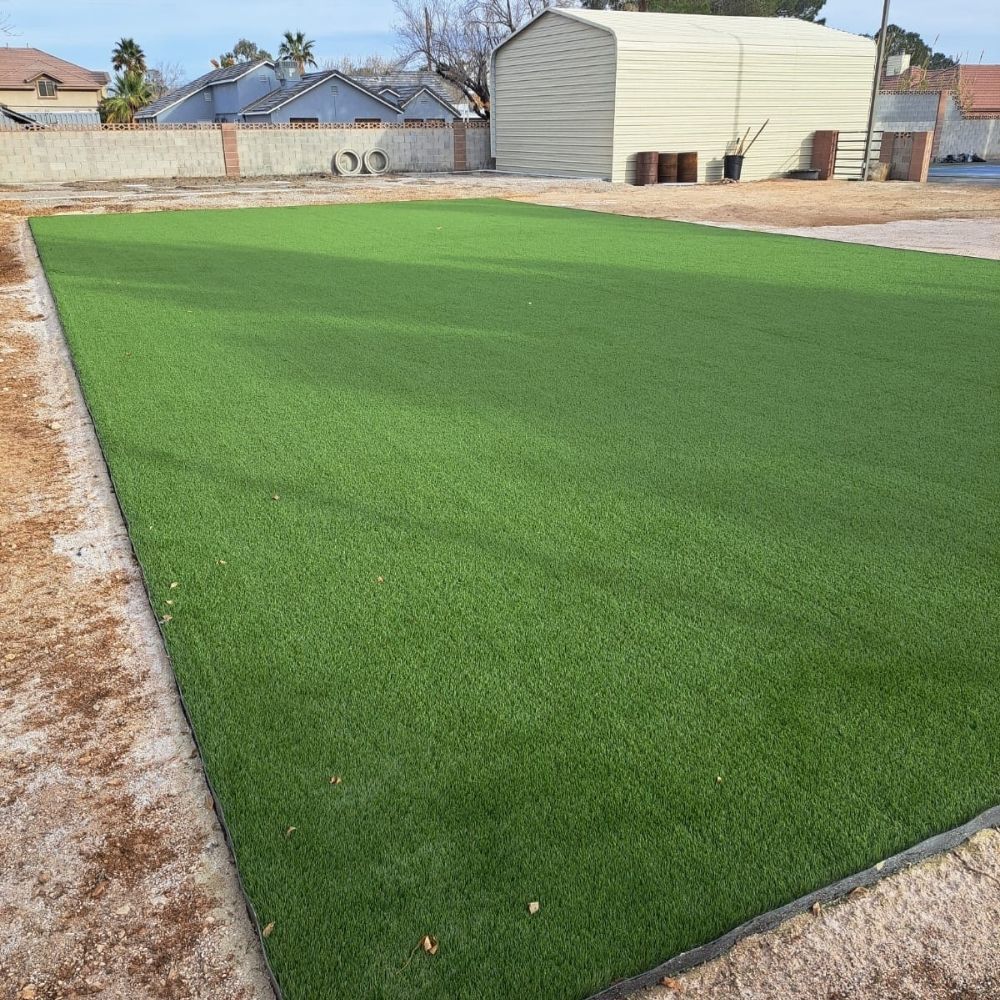
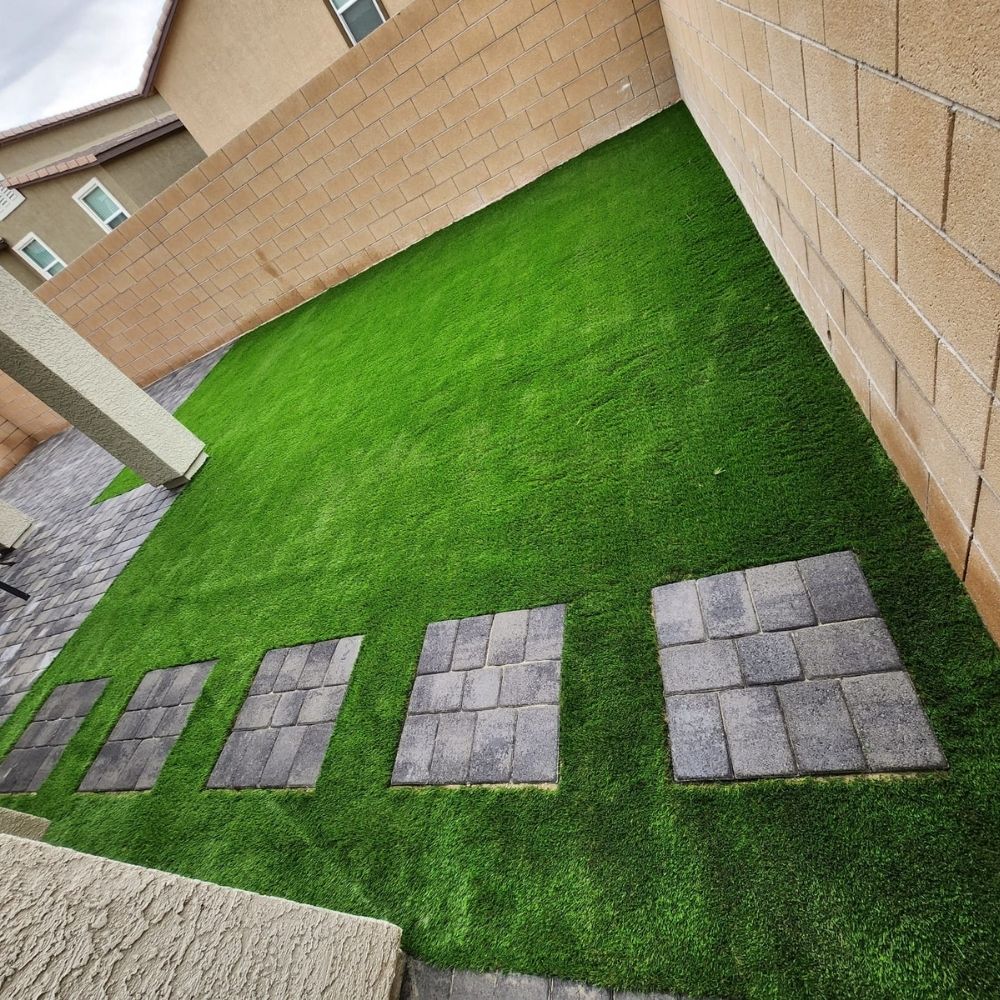
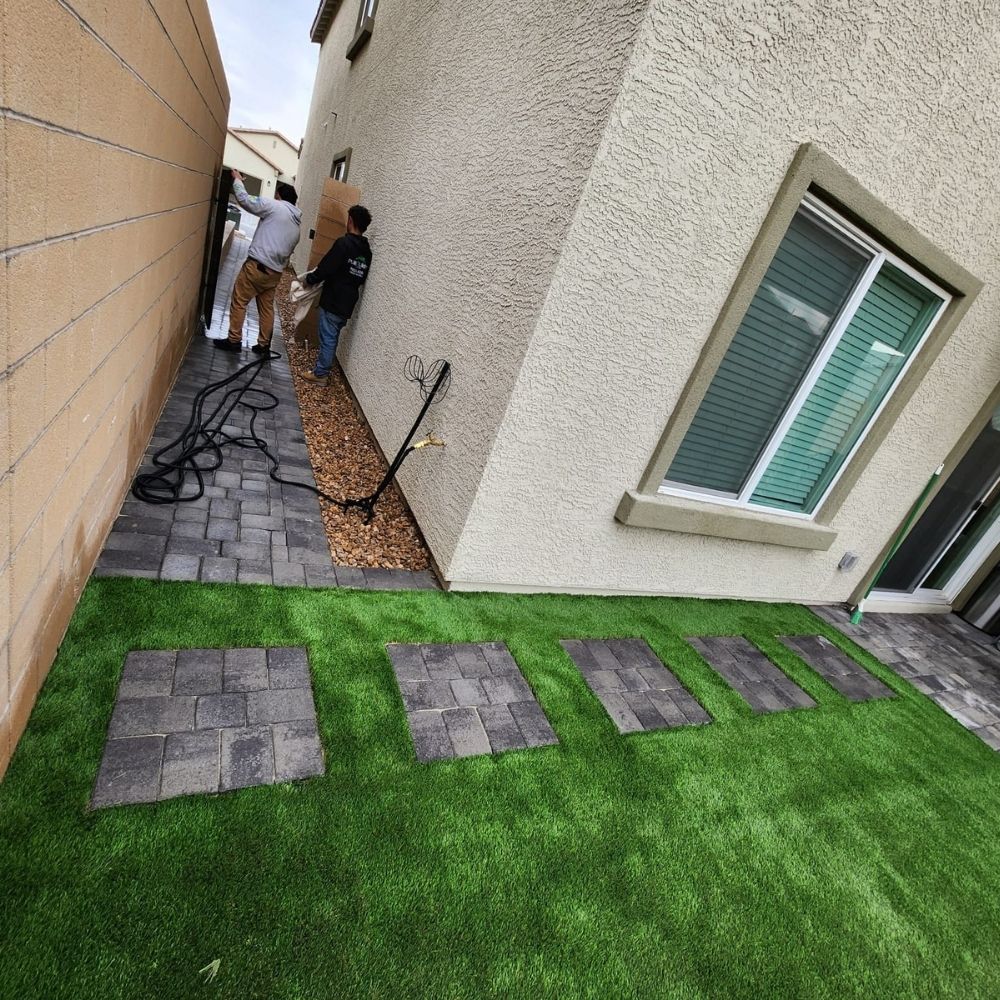
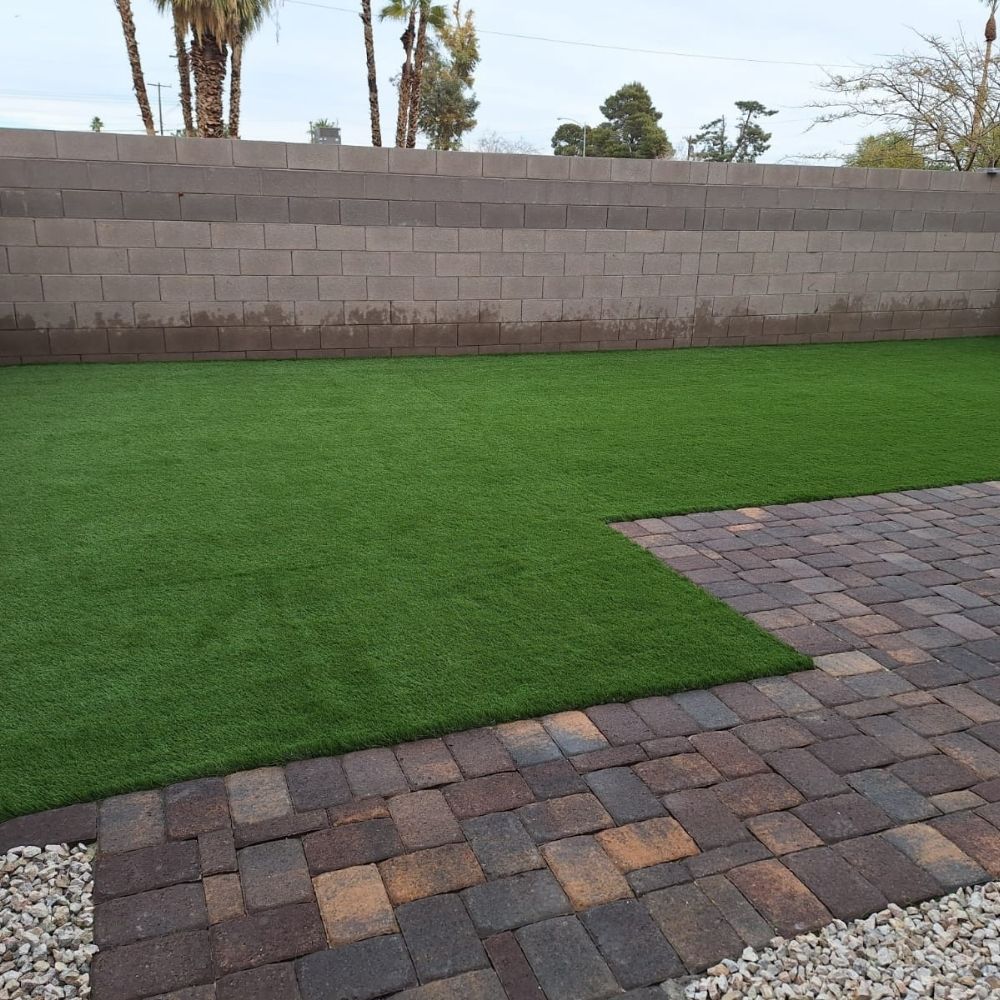
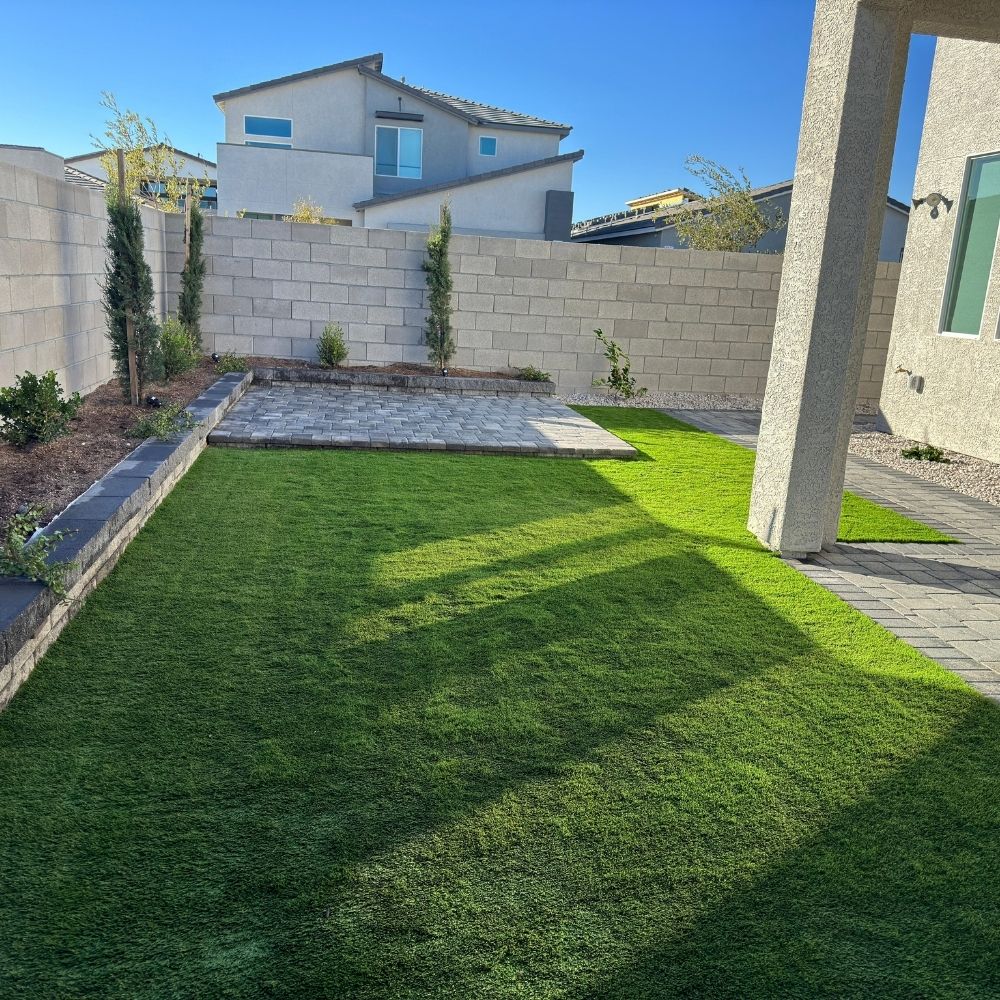
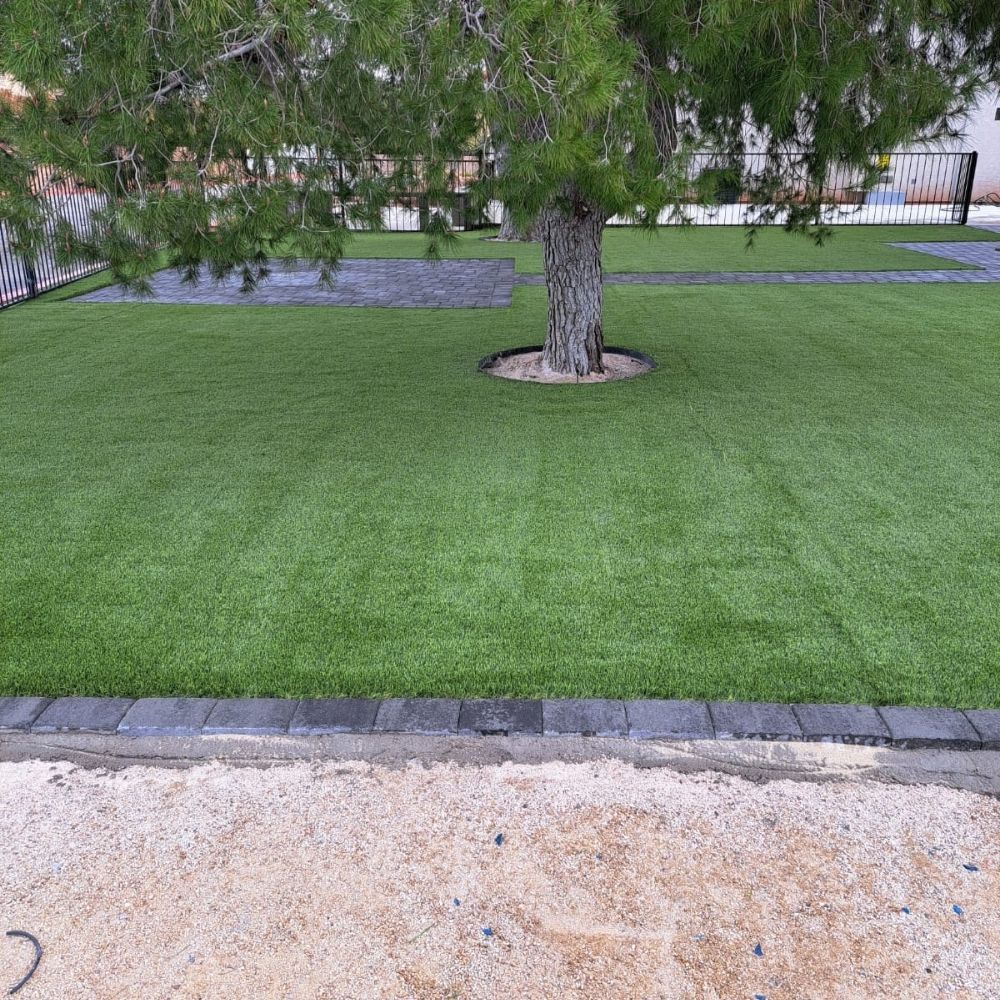
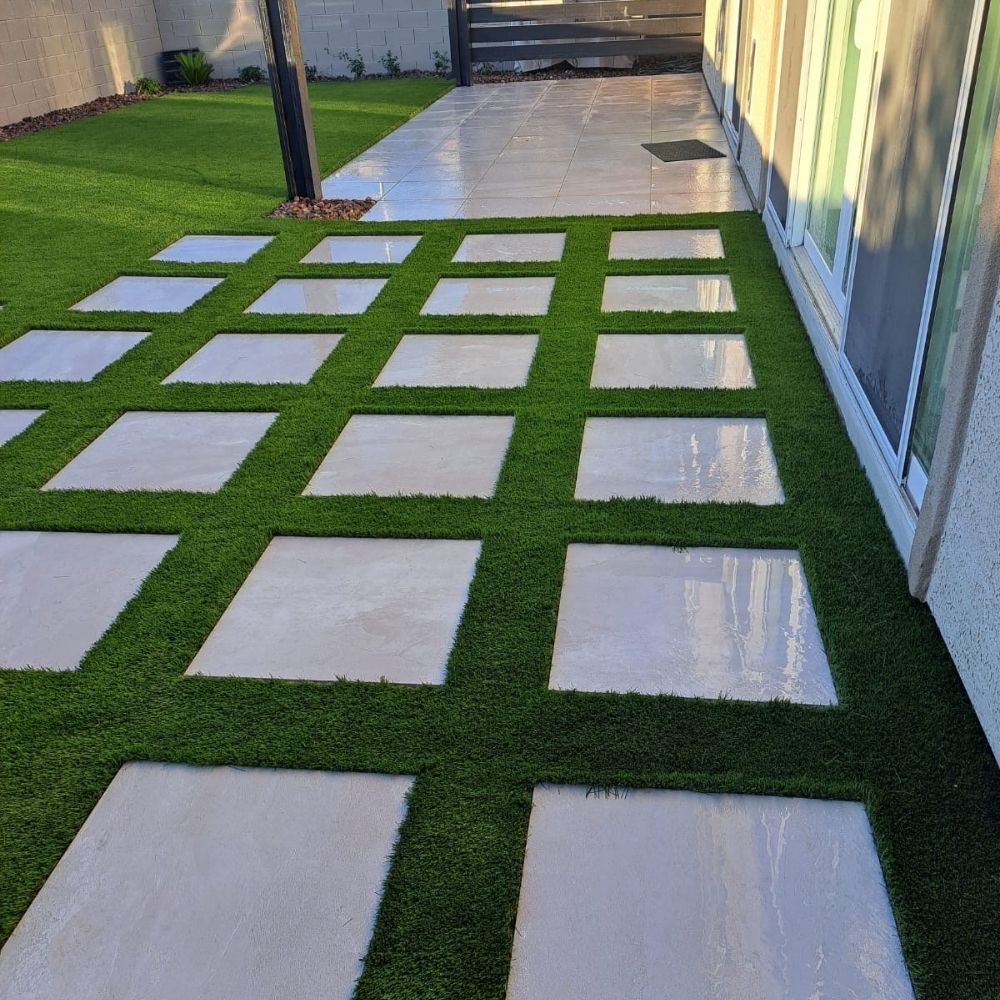
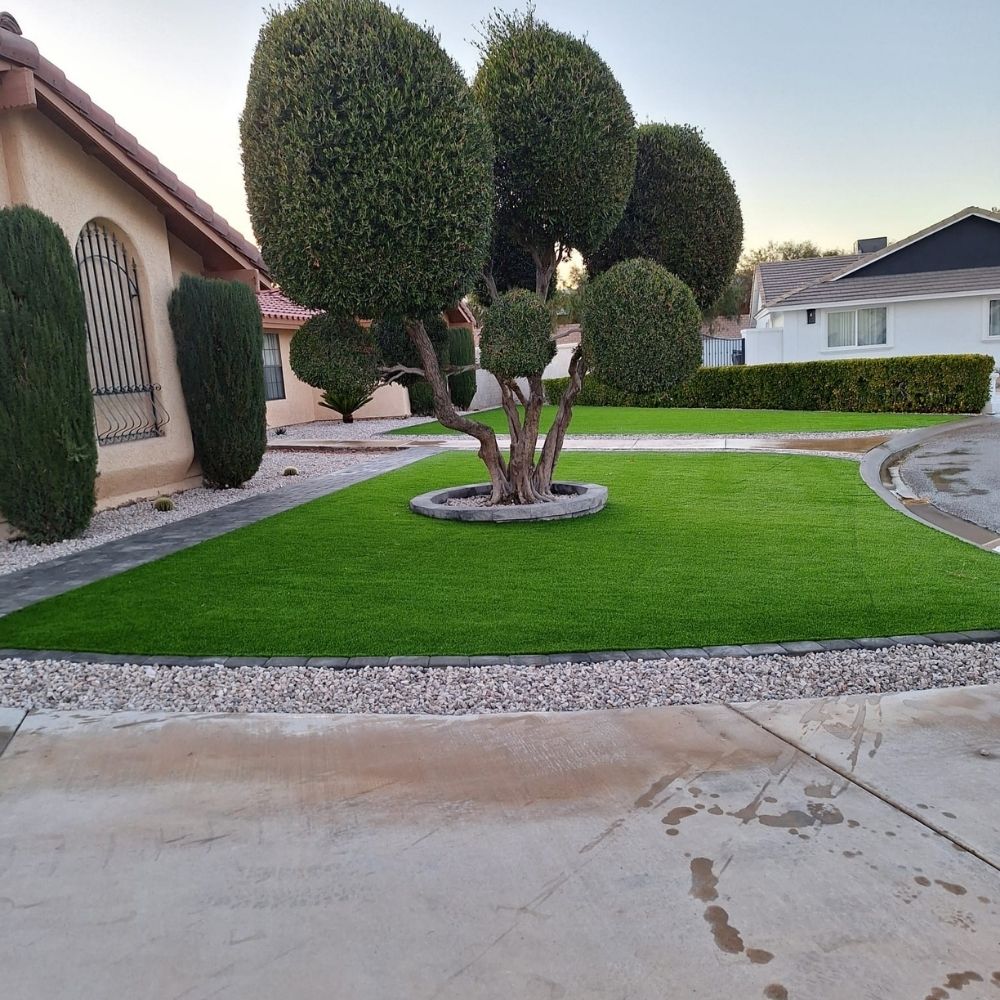
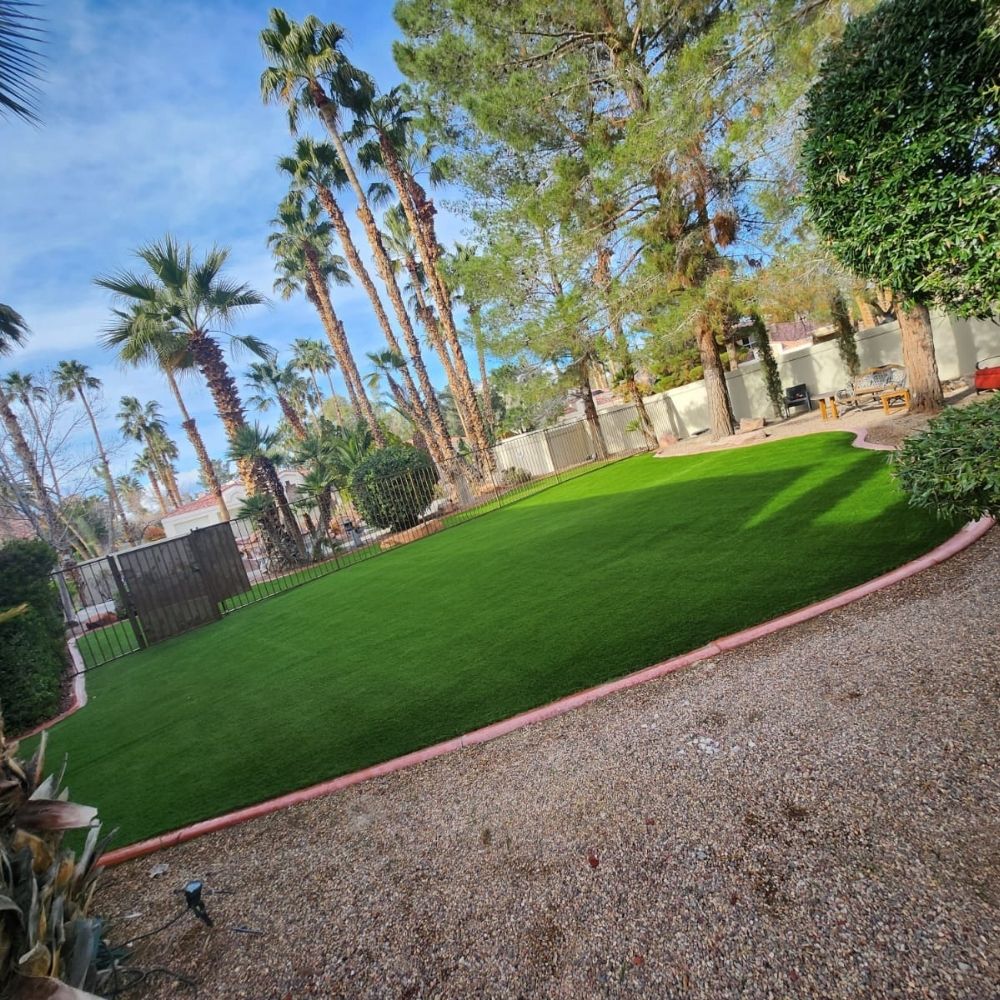
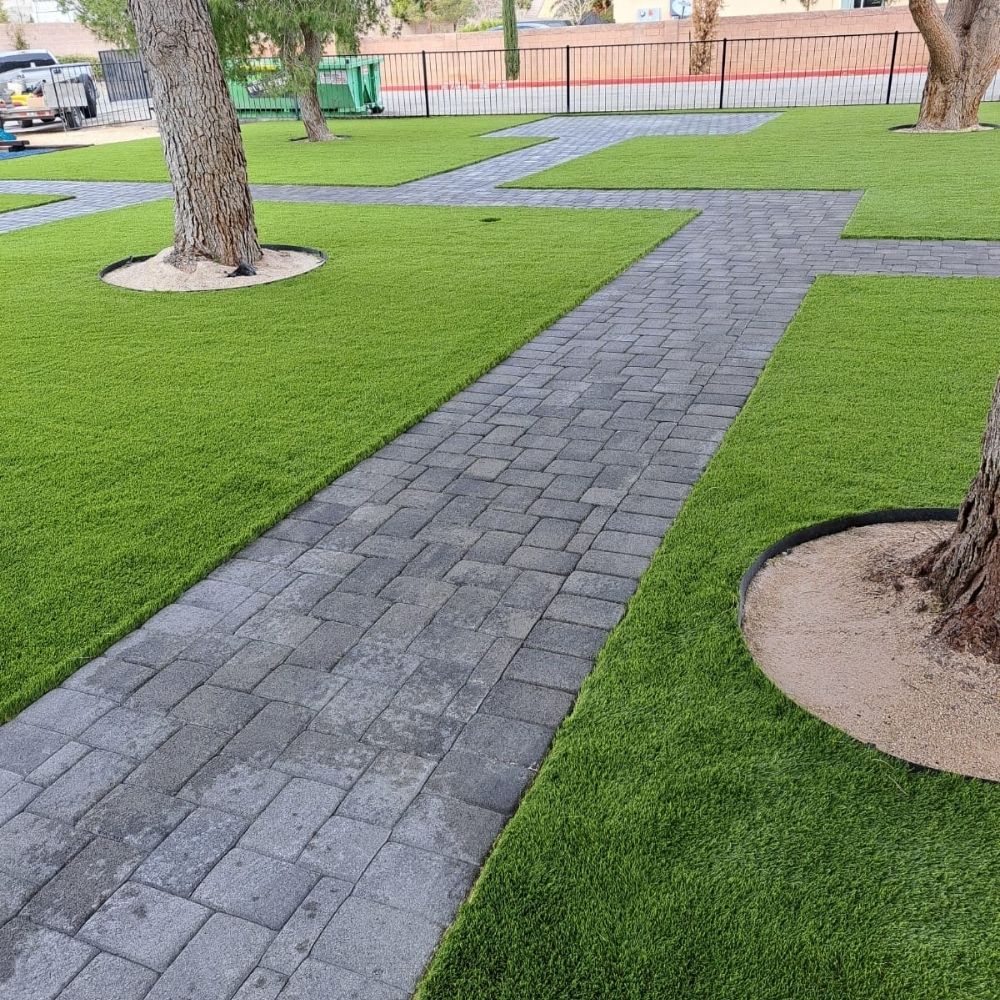
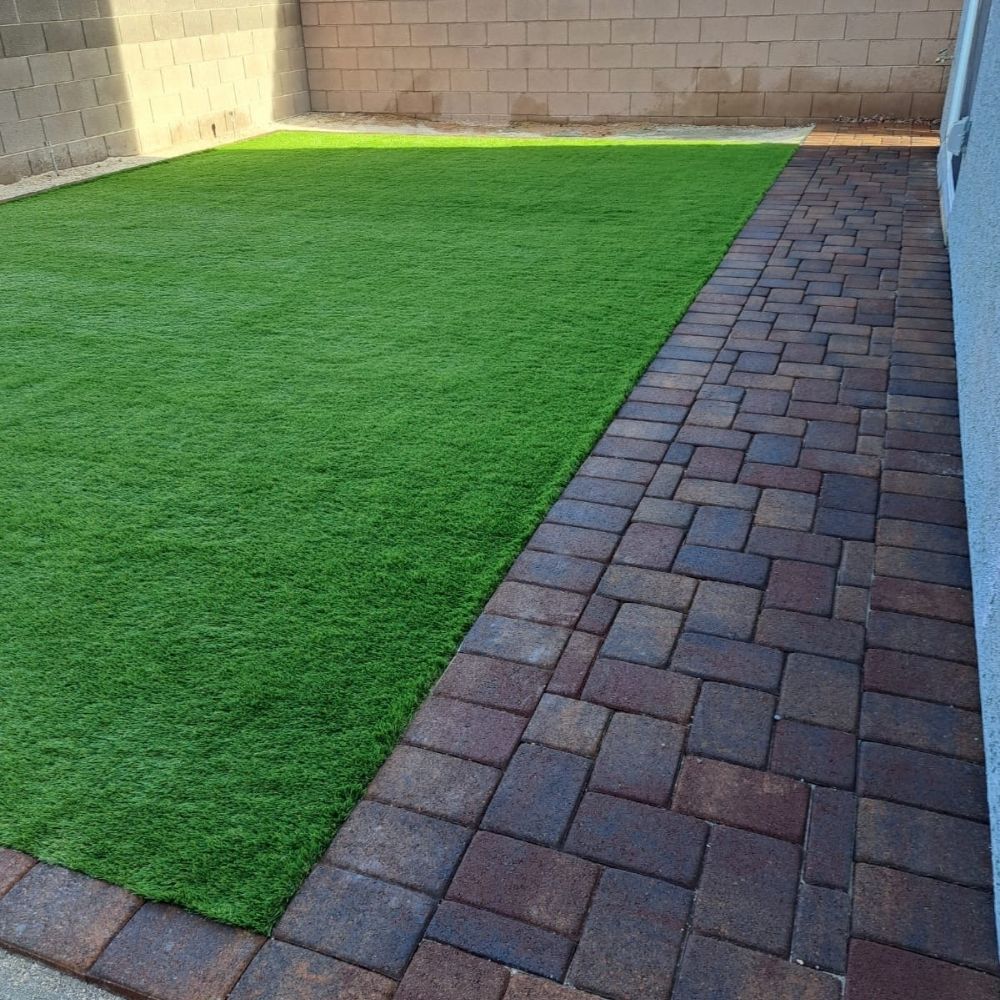
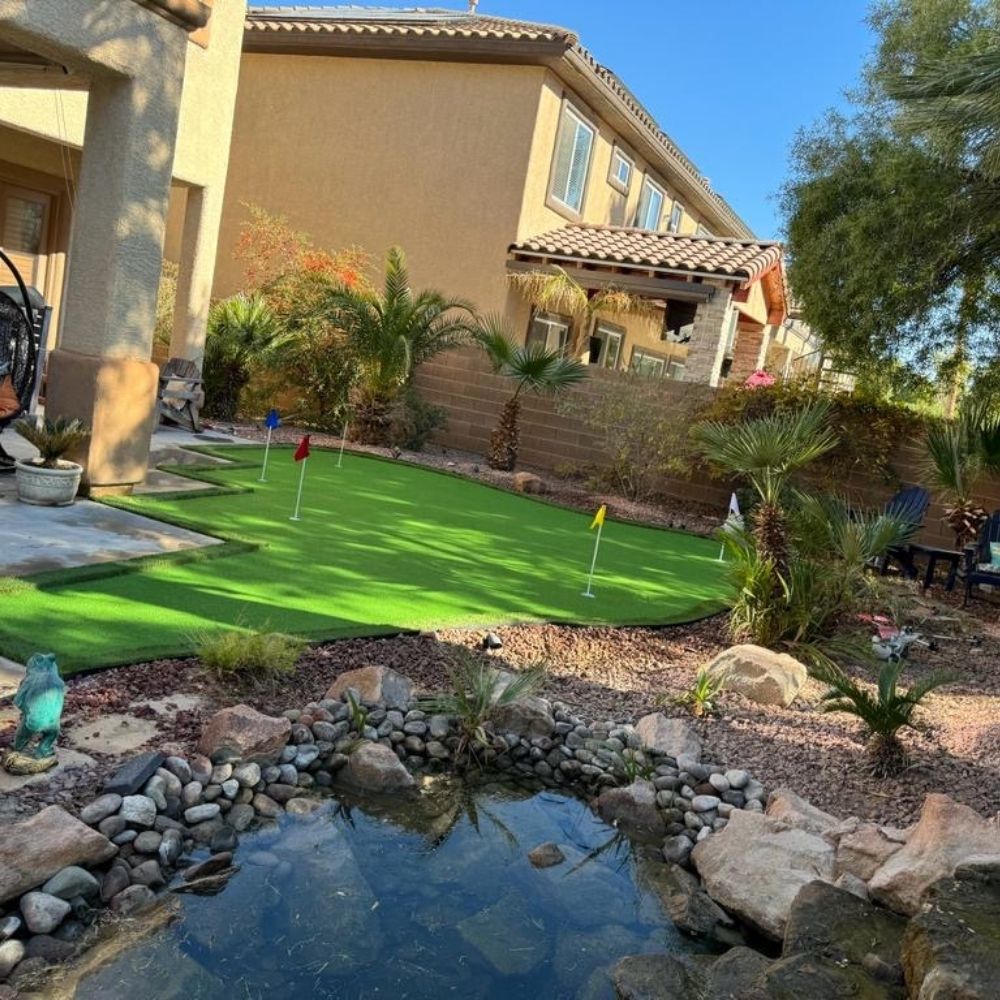
Artificial Grass — Turf under or adjacent to a pergola benefits significantly from the shade the structure provides. Shaded turf surfaces are considerably cooler than turf in full direct sun — a meaningful difference for barefoot use, pet areas, and any space where people sit or lie on the turf surface. For backyard turf design projects that include a pergola, the location and coverage of the shade structure is factored into how the turf area is laid out and which sections receive the most shade during peak afternoon hours.
-
✓
Artificial Green Walls — A green wall on the back wall of a covered pergola or attached to the fence behind it creates an enclosed, room-like quality that an open perimeter cannot. The combination of overhead shade from the structure and vertical greenery on one or two sides produces a space that feels private, cool, and finished. Green wall backing systems installed on a fence or wall adjacent to a pergola are coordinated with the shade structure work when both are part of the same project.
-
✓
Garden Beds and Plant Design — Planted borders around a pergola base, specimen trees framing the structure, or climbing vines trained onto the pergola frame all contribute to how the structure reads in the landscape. For plant installations coordinated with a pergola, species selection accounts for the shade and microclimate conditions the structure creates — both the area it shades and any additional reflected heat from the roof surface.
For a complete view of how shade structures fit into full outdoor project planning, see our outdoor design services and custom landscape design with turf integration pages.
Service Areas
We install patio covers and pergolas for residential and commercial properties throughout the Las Vegas Valley. All projects include a free site consultation, custom structural design, and permit coordination.
Frequently Asked Questions — Patio Covers & Pergolas
A patio cover has a solid or insulated roof panel that provides full overhead shade and weather protection. A pergola has an open or lattice roof structure — rafters, beams, or a lattice panel — that allows filtered light through while reducing direct sun exposure. Patio covers are the right choice when full shade and functional overhead protection are the priority. Pergolas are chosen when the goal is partial shade, architectural character, or a more open aesthetic that maintains the feel of an outdoor space rather than an enclosed room. Both can be designed to match your home’s style and integrated with lighting, fans, and other outdoor features.
In most cases, yes. Attached patio covers and any freestanding structure above a certain size require a building permit from the relevant jurisdiction — City of Las Vegas, Clark County, Henderson, or North Las Vegas depending on the property location. HOA communities may also require design approval before permits are pulled. We handle permit applications, provide required structural drawings and documentation, and coordinate HOA approvals as part of the project. We do not begin installation without permits in hand, which protects the homeowner from complications at time of sale, refinancing, or future inspection.
For most Las Vegas properties, powder-coated aluminum is the most practical choice. It requires no ongoing maintenance, holds its finish well under sustained UV and heat exposure, and is available in colors that match most home exterior palettes. Wood pergolas have a warmer aesthetic but require regular sealing and inspection because UV exposure and heat degrade wood finishes reliableer here than in more temperate climates. Vinyl is maintenance-free but shows more thermal expansion in direct Las Vegas sun and is less appropriate for south or west-facing full-sun installations. The right material depends on your aesthetic priorities, how much maintenance you are willing to commit to, and the specific sun exposure conditions of the installation location.
For most primary outdoor living spaces in Las Vegas, yes. A standard aluminum flat cover provides shade but the panel surface in direct summer sun reaches extreme temperatures and radiates significant heat into the space beneath it. An insulated panel cover with a foam core between the aluminum skins substantially reduces that radiant heat, making the covered area noticeably more comfortable during afternoon hours. If you plan to use the covered space during the summer months — for outdoor dining, cooking, or entertaining — the insulated cover makes a meaningful difference in how usable the space actually is. For shade structures that will primarily be used in the evening or in spring and fall, the standard cover is a more reasonable choice.
Yes, and it is much cleaner to do it during structure installation than after. When ceiling fans, recessed lights, pendant fixtures, or other electrical features are part of the project scope, wire runs are incorporated inside the post and beam structure while it is being assembled — concealed inside the frame rather than surface-mounted on the outside. We coordinate electrical rough-in with a licensed electrician during the construction phase. If an outdoor TV mount, audio speakers, or smart control wiring is also planned, all of those runs are handled at the same time. See our outdoor lighting page for detail on lighting integration with shade structures.
Yes. Adding a pergola or patio cover over an existing paver patio is one of the most common retrofit projects we do. Post footings are core-drilled through the pavers and poured to the required depth, with the cores filled and the post base set flush or slightly above the paver surface. The paver field is not disturbed beyond the footing locations. For attached covers, the ledger connection to the house is made through the wall cladding with appropriate flashing. If you are considering both a paver project and a shade structure, it is generally better to plan them together so footing locations and paver layout are coordinated from the start. For combined projects, see our pavers installation page and our outdoor design services.
Most residential patio cover and pergola installations take one to three days of active construction once materials are on site and footings have cured. The timeline from initial consultation to completed installation depends primarily on permit review time — which varies by jurisdiction and current workload — and material lead time for custom fabricated components. Simpler attached aluminum covers with standard profiles typically move through permitting reliableer than custom wood structures or larger freestanding pergola builds. We provide a project schedule at the start of each job that accounts for permit timeline and material availability so the overall schedule is clear before work begins.
Get a Free Quote for Your Patio Cover or Pergola
Our team visits your property, assesses the space and your goals, and provides a complete structural design plan and project estimate at no charge. Serving residential and commercial properties throughout the Las Vegas Valley.